IDS at NSC Safety Congress & Expo 2026: Smarter Medication Inventory Management with UCapIt and iQ Technology

When medications and critical medical supplies are stored across multiple locations, knowing what you have is only part of the inventory management challenge. Healthcare and EMS organizations also need to know where products are, when they expire, who accessed them, and when to replenish inventory.

That is where automated medication inventory management can make a difference.

At the NSC Safety Congress & Expo 2026, Intelligent Dispensing Solutions (IDS) brings a technology-focused approach to medication and medical supply management. Through its UCapIt automated dispensing system and iQ Technology inventory management software, IDS combines secure dispensing, inventory tracking, reporting, expiration monitoring, access control, and lot tracking to give organizations greater visibility and control.

Attending NSC Safety Congress & Expo 2026? Visit IDS at Booth #4650 to explore how automated dispensing and inventory management can fit into your organization’s medication and supply management strategy.

What Is the NSC Safety Congress & Expo?

The NSC Safety Congress & Expo is an annual event hosted by the National Safety Council that brings safety professionals, industry leaders, and solution providers together to explore workplace safety, technology, education, and operational practices.

The NSC Safety Congress & Expo 2026 offers a setting for organizations to discover technologies that address safety and operational challenges, including managing critical medical supplies and medications.

For healthcare, EMS, and other organizations responsible for medication inventory, the event offers an opportunity to explore how automation can improve visibility, accountability, and control.

Why Medication Inventory Management Matters to Healthcare Organizations

Medication inventory management is more than counting products on a shelf.

Healthcare and EMS organizations may manage medications and supplies across supply rooms, dispensing machines, lockers, vehicles, departments, and other locations. At the same time, they need visibility into inventory movement, expiration dates, and access.

Common challenges include:

  • Manual inventory counts
  • Limited inventory visibility
  • Products approaching expiration
  • Inventory discrepancies
  • Overstocking and waste
  • Difficulty tracking lot numbers
  • Managing access to medications and supplies
  • Maintaining accountability for product withdrawals
  • Tracking inventory across multiple locations

IDS addresses these challenges by connecting automated dispensing with inventory management software, helping organizations actively manage how products are accessed, tracked, monitored, and replenished.

How IDS Approaches Automated Medication Inventory Management

The IDS approach centers on UCapIt automated dispensing systems and iQ Technology.

UCapIt provides the physical dispensing and secure storage environment, while iQ Technology provides inventory management, reporting, tracking, and administrative capabilities.

UCapIt: Automated Medication Dispensing and Secure Storage

The UCapIt system is designed for EMS, pharmaceutical, hospital, and other medical environments that need controlled access to medications and supplies.

IDS describes UCapIt as a 24/7 automated medication dispenser providing usage and inventory management and tracking.

The system can securely store, track, and dispense emergency medical supplies while integrating with iQ Technology to capture information associated with withdrawals.

This makes the dispensing event part of the inventory record rather than a transaction staff must document separately.

iQ Technology: Inventory Management and Visibility

iQ Technology is a cloud-based inventory management platform that provides reporting and inventory management capabilities for IDS dispensing solutions.

The Medical Inventory Control Package includes features such as:

  • Supply room inventory management
  • Product expiration tracking
  • Lot tracking
  • Inventory and transaction reporting
  • User authentication and biometric management
  • Product access controls and alerts
  • Supply locker management
  • Asset and vehicle management
  • Digital inspection checklists
  • API connectivity

Together, UCapIt and iQ Technology connect secure product access with inventory visibility.

How Automated Medication Inventory Management Can Reduce Waste

Medication waste can occur when products expire before use or when organizations lack visibility into what they already have.

IDS’ Product Expiration feature lets users view product expiration information through iQ Technology reports rather than manually searching stored products.

The Supply Room feature also helps users identify products approaching expiration.

This visibility can help organizations make more informed decisions about product use, stocking, and replenishment while reducing reliance on manual inventory searches.

Lot Tracking and Product Accountability

Expiration dates are only one part of medication and medical supply traceability.

Lot Tracking in iQ Technology allows organizations to track lot numbers on products from the point they are received into the supply room through dispensing.

Users can track where products are and who accessed them, providing greater visibility into product movement and chain of custody.

This can be particularly useful for EMS and pharmaceutical inventory where accountability for medical supplies and medications is important.

Secure Access to Medications and Medical Supplies

Inventory visibility also needs to be paired with access control.

IDS provides multiple authentication options, including biometric management and other credential-based approaches. IDS states that biometric management can track who accessed a product, how many products were accessed, and when.

UCapIt can also restrict access based on user credentials or product classification.

For controlled substances, these capabilities can help organizations establish a more controlled dispensing environment while maintaining records of inventory activity.

Managing Supply Rooms, Lockers, and Vehicles

Medication inventory does not always fit inside a traditional dispensing machine.

IDS’ Supply Lockers, integrated with iQ Technology, provide inventory control for larger items. Depending on the application, they can support single- and multiple-item dispensing, check-in/check-out, loan periods, asset management, and automated order pickup.

The Supply Room feature provides digital inventory management for products stored outside dispensing machines, while Vehicle Management provides a centralized way to manage vending machines and equipment.

For EMS organizations, these capabilities can extend inventory visibility across stations, vehicles, supply rooms, and dispensing points.

From Inventory Data to Actionable Visibility

Automated inventory management becomes more valuable when organizations can use the data to make decisions.

With iQ Technology reporting and tracking, managers can review information such as:

  • Current inventory
  • Product movement
  • Expiration dates
  • Lot numbers
  • Dispensing activity
  • User access
  • Replenishment needs

This shifts inventory management from periodic manual counting toward ongoing visibility into what is available, what is being used, and what requires attention.

What to Look for in Medication Inventory Technology

Organizations evaluating the best automated medication dispensing system for hospitals and clinics should look beyond the dispensing hardware.

Consider whether the solution can:

  1. Track inventory – Does it provide visibility into stock and product movement?
  2. Monitor expirations – Can users identify products approaching expiration?
  3. Track lots – Can lot numbers be followed through the inventory lifecycle?
  4. Control access – Can access be restricted by user or product?
  5. Track transactions – Can organizations see who accessed products and when?
  6. Provide reporting – Can managers use inventory data to make decisions?
  7. Manage different storage environments – Can it support machines, lockers, supply rooms, or vehicles?
  8. Integrate with existing systems – Does it offer API or integration capabilities?
  9. Scale across locations – Can it support inventory management across departments or facilities?

These considerations help distinguish automated dispensing from a broader automated medication inventory management strategy.

Why Explore IDS at NSC Safety Congress & Expo 2026?

The NSC Safety Congress & Expo allows healthcare and safety professionals to explore technologies that address operational challenges.

For organizations managing medication and medical supply inventory, IDS offers a connected approach through UCapIt and iQ Technology.

Attendees can explore solutions for:

  • Automated medication inventory management
  • Automatic medication dispensing
  • EMS medication and supply inventory management
  • Medication expiration tracking
  • Controlled-substance inventory management
  • Secure medical supply dispensing
  • Supply room inventory management
  • Lot tracking and reporting
  • Smart locker inventory management

Whether you’re managing medications in a hospital, clinic, EMS station, or across multiple locations, the IDS team can show you how automated dispensing and inventory technology can help improve visibility and control.

Planning to attend NSC Safety Congress & Expo 2026? Visit IDS at Booth #4650 and explore smarter ways to manage your medication and medical supply inventory.

Key Takeaways

Automated medication inventory management is about more than automated dispensing.

Healthcare and EMS organizations need visibility across storage, access, dispensing, expiration, lot tracking, and replenishment.

IDS brings these capabilities together through:

  • UCapIt, which provides automated medication dispensing and secure storage.
  • iQ Technology, which provides inventory management, tracking, reporting, expiration monitoring, lot tracking, and access-control capabilities.

Together, they provide a connected approach to managing medications and medical supplies while reducing reliance on fragmented manual processes.

Explore Automated Medication Inventory Management With IDS

Better medication inventory management starts with better visibility.

UCapIt and iQ Technology bring automated dispensing, secure access, inventory tracking, expiration monitoring, lot tracking, and reporting together to help healthcare and EMS organizations take greater control of their medication and medical supply inventory.

If you’re attending the NSC Safety Congress & Expo 2026, connect with IDS to learn how its automated dispensing and inventory management solutions can fit your organization’s needs.

Not attending the event? Explore IDS’ solutions and request a live inventory management demo online.

FAQs

1. What is the NSC Safety Congress & Expo?

The NSC Safety Congress & Expo is an event hosted by the National Safety Council that brings safety professionals, industry leaders, and solution providers together to explore workplace safety, education, technology, and operational solutions.

2. When is the NSC Safety Congress & Expo 2026?

The NSC Safety Congress & Expo 2026 is scheduled for September 2026. Visit the official NSC event website for the latest dates, venue, registration, and event updates.

3. Who attends the NSC Safety Congress & Expo?

The event attracts safety professionals, business leaders, technology providers, and other professionals interested in workplace health and safety. Healthcare and EMS professionals can also explore technologies relevant to medical supply and medication management.

4. What is automated medication inventory management?

It uses software and dispensing technology to track, monitor, control, and report on medication inventory. Capabilities can include inventory tracking, expiration monitoring, lot tracking, access control, alerts, and reporting.

5. How can automated inventory management reduce medication waste?

Automation improves visibility into inventory and expiration dates. IDS’ Product Expiration feature helps users identify products approaching expiration so they can make more informed inventory decisions.

6. How does automated medication tracking improve accountability?

Automated tracking can associate dispensing activity with users, products, and timestamps, giving organizations greater visibility into inventory access and movement.

7. What is the difference between automated dispensing and inventory management?

Automated dispensing focuses on securely storing, accessing, and dispensing products. Inventory management covers the broader process of tracking stock, movement, expiration, lots, replenishment, and reporting. IDS combines both through UCapIt and iQ Technology.

8. How can technology help manage controlled substances?

Technology can help restrict access, track dispensing activity, and maintain inventory records. UCapIt provides controlled access and inventory tracking capabilities for medications, including narcotics and other pharmaceutical inventory.

9. Where can I learn more about IDS medication inventory solutions?

Explore IDS’ UCapIt automated medication dispensing system and iQ Technology inventory management software, or request a live demonstration to see how these solutions can meet your organization’s needs.

10. What Is Automated Medication Inventory Management?

Automated medication inventory management uses dispensing hardware and inventory software to track medications and medical supplies throughout their lifecycle. Common capabilities include inventory tracking, expiration monitoring, lot tracking, user authentication, dispensing records, replenishment management, and reporting.

11. Can Automated Medication Inventory Management Support Multiple Locations?

Yes. Modern inventory management systems can provide visibility into inventory stored across supply rooms, dispensing units, lockers, vehicles, departments, and multiple facilities.

12. What Is an Automated Dispensing Cabinet?

An automated dispensing cabinet is a secure storage and dispensing system that allows authorized users to access medications and supplies while recording dispensing activity electronically.

Reducing Medication Waste Through Automated Inventory Management

You don’t usually realize you have a medication inventory problem until it becomes expensive. By the time expired medications are discovered, emergency orders are placed, or clinicians can’t find the supplies they need, the damage has already been done. Most healthcare organizations aren’t struggling because they purchase the wrong medications; they’re struggling because they lack the visibility to manage inventory efficiently.

Medication waste continues to be a costly challenge for healthcare organizations. Expired medications, excess inventory, stockouts, and manual inventory processes increase operating costs while creating unnecessary administrative work. As hospitals, EMS providers, and other healthcare facilities work to improve patient care while controlling costs and meeting regulatory requirements, automated medication inventory management has become essential.

Traditional medication inventory management methods often provide limited visibility into inventory levels and medication usage, making it difficult to maintain optimal stock levels. By implementing an automated inventory system like IDS’s UCapIt® automated medication dispensing solution, powered by iQ Technology, healthcare organizations can improve inventory accuracy, reduce medication waste, and ensure clinicians have the medications they need when they need them.

What Is Automated Medication Inventory Management?

Automated medication inventory management uses secure dispensing systems and inventory software to track medication usage, inventory levels, expirations, and replenishment needs in real time. By replacing manual inventory processes, healthcare organizations can reduce medication waste, improve inventory accuracy, strengthen compliance, and ensure critical medications are available when needed.

In This Blog

  • The Hidden Cost of Medication Waste
  • Why Manual Inventory Management Falls Short
  • Why Medication Waste Happens
  • Five Ways Automation Reduces Medication Waste
  • How Better Inventory Control Supports Patient Care
  • Key Features to Look for in an Automated Inventory Solution
  • How UCapIt® and iQ Technology help streamline inventory operations
  • The ROI of Automated Medication Inventory Management

The High Cost of Medication Waste

Medication waste affects more than pharmacy budgets; it impacts operational efficiency across the entire healthcare organization.

Expired medications represent a direct financial loss, while poor inventory visibility often leads to overstocking as departments order more inventory than necessary to avoid shortages. At the same time, stockouts can force organizations to place emergency orders, increasing procurement costs and disrupting patient care.

Manual inventory counts also require significant staff time, reducing productivity and pulling employees away from higher-value responsibilities. In addition, incomplete inventory records and inconsistent documentation make regulatory audits more difficult and increase the administrative burden of maintaining compliance.

Why Manual Inventory Management Falls Short

As healthcare organizations grow, manual inventory processes become increasingly difficult to manage.

Without real-time visibility, inventory records can quickly become outdated, making it difficult to track medication movement across departments accurately. Manual counts are time-consuming, reordering decisions are often delayed, and human error can lead to unnecessary waste, excess inventory, or stock shortages. These challenges make it difficult to maintain the right inventory levels while controlling costs.

Why Medication Waste Happens

What Causes Medication Waste in Healthcare?

Medication waste often results from:

  • Expired medications
  • Overstocking
  • Manual inventory errors
  • Poor inventory visibility
  • Inefficient replenishment processes
  • Decentralized inventory storage

Without real-time medication tracking, healthcare organizations may purchase inventory they don’t need while simultaneously experiencing shortages of critical medications.

How Automated Inventory Management Reduces Waste

Modern automated medication inventory management solutions provide healthcare organizations with greater visibility and control over inventory. UCapIt® automated medication dispensing systems, integrated with iQ Technology, deliver real-time inventory tracking, automated reporting, and analytics that help healthcare leaders make faster, more informed inventory decisions.

Real-Time Inventory Visibility

UCapIt®, powered by iQ Technology, automatically tracks every medication dispensing transaction, providing real-time visibility into inventory levels and medication movement. Healthcare organizations can monitor inventory usage across departments from a centralized platform, improving medication stock management and helping prevent both overstocking and stockouts.

Expiration Date Tracking

Automated medication tracking helps identify products approaching expiration, allowing staff to prioritize first-expiring inventory using FEFO (First Expired, First Out) practices. Expiration alerts reduce unnecessary product disposal, improve inventory utilization, and support ongoing efforts to reduce medication waste.

Automated Replenishment

Rather than relying on manual purchasing decisions, inventory automation can trigger replenishment based on actual medication usage and predefined minimum inventory levels. Managers receive alerts when inventory reaches critical thresholds, helping prevent stock shortages, reduce over-ordering, and improve purchasing efficiency.

Better Inventory Control Improves Patient Care

Effective healthcare inventory management helps ensure medications are available when clinicians need them most.

With greater inventory visibility and automated replenishment, healthcare organizations can reduce treatment delays caused by stockouts while giving clinicians confidence that critical medications are readily available. Reliable access to inventory also allows staff to spend less time searching for supplies and more time focusing on delivering quality patient care.

Supporting Compliance and Inventory Accuracy

Healthcare organizations must maintain accurate inventory records while meeting strict regulatory requirements. Medication inventory software supports these efforts by creating automated audit trails, electronic transaction records, and complete accountability for medication movement.

Every medication dispensed through UCapIt® is automatically recorded through iQ Technology, creating detailed transaction histories that improve accountability for controlled medications and simplify regulatory reporting. Product expiration monitoring and digital documentation also reduce manual recordkeeping, minimize documentation errors, and streamline audits.

Operational Benefits Beyond Waste Reduction

Reducing medication waste is only one advantage of inventory automation.

Healthcare organizations spend less time performing manual inventory tasks, improving staff productivity and allowing employees to focus on patient care. Usage analytics support better purchasing decisions by identifying inventory trends and optimizing replenishment strategies. Standardizing inventory management across multiple departments or facilities improves consistency, strengthens inventory control, and reduces overall inventory carrying costs.

The ROI of Automated Medication Inventory Management

Automated inventory management delivers measurable returns by:

  • Reducing expired medications
  • Minimizing overstocking
  • Preventing stockouts
  • Lowering emergency purchasing costs
  • Reducing manual inventory labor

By improving accuracy and reducing waste, healthcare organizations achieve substantial savings while enhancing patient care and compliance.

Signs It’s Time to Automate Medication Inventory

If your healthcare organization is experiencing any of the following challenges, it may be time to implement an automated inventory system:

  • Frequent medication expirations
  • Regular stockouts or emergency purchases
  • Time-intensive manual inventory counts
  • Difficulty preparing for regulatory audits
  • Limited visibility into medication usage
  • Rising inventory management costs

Addressing these issues with automation helps improve inventory control, reduce waste, and support more efficient healthcare operations.

Improve Medication Waste Reduction with Automated Medication Inventory Management

Reducing medication waste isn’t just about lowering costs; it’s about improving efficiency, maintaining compliance, and ensuring clinicians have the medications they need to deliver quality patient care. Automated medication inventory management provides the visibility and control healthcare organizations need to optimize inventory while minimizing waste.

Together, UCapIt® automated medication dispensing systems and iQ Technology provide real-time inventory visibility, automated medication tracking, expiration monitoring, replenishment alerts, and actionable analytics that help healthcare organizations make smarter inventory decisions, reduce waste, and improve operational performance.

Discover How UCapIt® and iQ Technology Can Reduce Medication Waste.

UCapIt® automated medication dispensing systems, powered by iQ Technology, help healthcare organizations reduce medication waste through secure dispensing, real-time inventory visibility, automated medication tracking, expiration monitoring, and intelligent inventory management. Request a demo today to learn how IDS can improve inventory accuracy, strengthen compliance, and ensure medications are available when and where they’re needed.

FAQs

1. How does automated medication inventory management work?

Automated medication inventory management combines secure dispensing hardware with inventory management software to track every medication transaction in real time. Inventory levels, usage, expirations, and replenishment needs are automatically updated, giving healthcare organizations complete visibility into medication inventory.

2. How does UCapIt® help reduce medication waste?

UCapIt® automatically tracks medication dispensing, monitors inventory levels, and provides expiration alerts through iQ Technology. This helps healthcare organizations reduce expired medications, avoid unnecessary overstocking, and maintain optimal inventory levels.

3. Can automated inventory management help with regulatory compliance?

Yes. Automated systems create detailed electronic audit trails, transaction histories, and inventory records that simplify reporting and support compliance with healthcare regulations while reducing manual documentation.

4. How does automated inventory improve inventory accuracy?

Every medication transaction is automatically recorded, reducing manual data entry and minimizing human error. Real-time inventory updates provide more accurate stock information across departments.

5. Which healthcare organizations benefit from automated medication inventory management?

Hospitals, health systems, emergency medical services (EMS), pharmacies, surgery centers, clinics, laboratories, fire departments, and other healthcare providers can all improve inventory visibility and reduce medication waste with automated inventory management.

6. Can automated inventory management reduce emergency medication orders?

Yes. Real-time inventory visibility and automated replenishment alerts help organizations identify low inventory before shortages occur, reducing emergency purchases and improving inventory planning.

7. Why choose IDS for medication inventory management?

With decades of experience in automated dispensing and inventory management, IDS provides healthcare organizations with secure dispensing systems, intelligent inventory software, and real-time reporting that help improve inventory accuracy, reduce medication waste, and support operational efficiency.

8. What is medication inventory management?

Medication inventory management refers to the processes and systems used to track, store, and replenish medications across healthcare facilities.

9. How does automated medication tracking improve compliance?

Automated tracking creates electronic audit trails, transaction histories, and expiration monitoring that simplify reporting and strengthen regulatory compliance.

10. What is the difference between automated dispensing and inventory management?

Automated dispensing ensures secure access to medications, while inventory management provides visibility, analytics, and control over stock levels and usage trends.

11. Can automated inventory management improve patient care?

Yes. By ensuring medications are available when needed, automation reduces treatment delays and allows clinicians to focus on delivering quality care.

Less Stress, Better Readiness: Rethinking EMS Inventory Tracking Access

In emergency response, readiness is often measured by how quickly crews arrive on scene. But true preparedness depends on something less visible: reliable access to supplies. When inventory systems rely on centralized storage, manual documentation, and time‑consuming replenishment, they create unnecessary strain for already fatigued teams.

That’s why Intelligent Dispensing Solutions (IDS) UCapIt is a secure, automated platform designed specifically for EMS agencies. UCapIt brings inventory closer to the point of use, combining medical inventory vending machines with real‑time visibility, automated tracking, and controlled dispensing. By reducing administrative burden and eliminating inefficient workflows, UCapIt helps agencies strengthen compliance, improve accountability, and support responder wellness.

This blog explores:

  • Why traditional EMS inventory management workflows drain readiness
  • How fatigue impacts compliance and decision‑making
  • The role of on-site EMS supply access solutions in reducing stress
  • How UCapIt improves tracking, accountability, and control
  • Why modern EMS supply chain solutions support both operational efficiency and responder well‑being

The Reality of EMS Work and Healthcare Inventory Management

EMS professionals operate under constant physical and emotional pressure.

Long shifts, overnight calls, interrupted sleep cycles, and unpredictable emergencies are part of daily operations. Teams often move directly from high-stress patient care situations into administrative or logistical responsibilities with little time for recovery.

Even routine tasks such as restocking supplies can become significantly more difficult after overnight calls or extended response periods.

Research from a systematic review of emergency first responders found that 85% of personnel reported sleep deprivation during 24‑hour shifts. This fatigue was strongly associated with impaired decision‑making, slower reaction times, reduced cognitive performance, diminished situational awareness, and increased documentation errors. Fatigue does not simply affect comfort; it directly impacts operational readiness and patient care performance.

  • Decision-making
  • Reaction time
  • Cognitive performance
  • Situational awareness
  • Documentation accuracy

Fatigue does not simply affect comfort. It directly affects operational readiness and patient care performance.

Yet many traditional healthcare inventory management systems still rely on workflows that require additional travel, manual tracking, and unnecessary administrative burden at the end of already demanding shifts.

The Hidden Strain of Traditional EMS Supply Access Solutions

The operational inefficiencies surrounding inventory replenishment often receive less attention than the frontline response itself, but the impact on personnel can be significant.

After overnight or early-morning calls, many EMS professionals still need to:

  • Travel to central storage areas
  • Search for required supplies
  • Complete manual logging processes
  • Reconcile inventory documentation
  • Handle compliance-related reporting

Those extra steps create additional fatigue during periods when recovery should be prioritized.

Sleep disruption compounds over time, increasing stress levels and reducing overall recovery between shifts. According to research, chronic fatigue among emergency responders is associated with increased cognitive errors, slower processing speeds, and reduced workplace performance.

In environments where readiness and focus are critical, inefficient inventory workflows create unnecessary operational friction.

On-site EMS Vending Creates Smarter EMS Inventory Management

Modern medical inventory vending machines help remove many of those friction points by bringing supplies directly to the point of need.

Instead of requiring teams to travel back to centralized supply locations, on-site EMS vending solutions provide immediate access to essential inventory at the locations crews already return to after calls.

That operational shift may seem simple, but its impact can be substantial.

With on-site EMS supply access solutions, agencies can:

  • Reduce unnecessary travel time
  • Speed up replenishment workflows
  • Simplify supply retrieval
  • Minimize end-of-shift delays
  • Improve operational consistency

More importantly, teams can complete required restocking tasks quickly and return to recovery faster.

See How UCapIt Improves Inventory Accountability and Efficiency

As an EMS customer, using UCapIt explained in this customer testimonial:

“We were looking at a way to better track our inventory for our medications and a way of doing narcotic tracking within the system. It provides an exact way to know which call it’s associated with, and with these new machines, we’ve got biometrics as another security feature. People actually have to use their fingers to access it, so it’s another safety feature that helps us keep track of our medications.”

The same agency also highlighted how automated inventory visibility helps reduce the burden of manual counting:

“We’re transitioning a lot of our disposable supplies into the system so we can have electronic inventory that will alert us when it’s getting low. That should be more efficient than having someone count inventory every day. It’ll save time and be more efficient for supplies.”

Watch the UCapIt EMS customer testimonial to learn how automated inventory tracking, biometric access controls, and real-time inventory visibility are helping agencies improve accountability and reduce manual inventory management.

Reducing Compliance Stress and Human Error in Emergency Medical Inventory

Fatigue and manual inventory tracking rarely work well together.

Drowsiness increases the likelihood of:

  • Documentation mistakes
  • Missed inventory records
  • Compliance gaps
  • Supply discrepancies
  • Inaccurate usage reporting

Traditional paper-based inventory systems place additional mental strain on personnel who may already be operating with limited rest after overnight calls or extended response periods. Manually documenting supply usage, tracking inventory levels, reconciling records, and managing compliance requirements can increase the likelihood of errors when crews are fatigued.

Automated EMS inventory management systems help remove much of this burden. UCapIt by IDS automatically tracks inventory activity, records supply usage, manages access permissions, and provides real-time visibility into stock levels and replenishment needs. The system also supports compliance efforts by creating a clear audit trail of inventory transactions, helping agencies maintain accountability without relying on manual documentation processes.

For EMS organizations managing critical medical supplies, medications, and regulated inventory, this level of automation improves inventory accuracy while reducing the administrative workload placed on responders and operations staff. Instead of spending valuable time counting supplies, completing paperwork, or investigating discrepancies, teams can focus on maintaining readiness and supporting patient care.

For agencies managing regulated medical supplies, automated, secure EMS storage also enhances chain-of-custody visibility and reduces the risk of lost or undocumented inventory.

The operational result is important: teams remain compliant without adding unnecessary stress or administrative fatigue.

Supporting First Responders Beyond Equipment

The conversation around responder wellness often focuses on staffing, scheduling, or mental health support. Those issues matter deeply, but infrastructure plays an important role as well.

Operational systems either reduce stress or contribute to it.

Smarter EMS supply chain solutions acknowledge the realities of EMS work and remove avoidable obstacles wherever possible.

When inventory systems are designed around responder workflows rather than administrative convenience alone, agencies create environments that better support:

  • Recovery between calls
  • Operational focus
  • Reduced fatigue
  • Faster shift transitions
  • Long-term readiness

That support extends beyond efficiency metrics. It communicates respect for the people performing the work. Less time spent navigating inventory processes means more time available for physical recovery, mental decompression, and preparation for the next emergency response. When systems work better, teams feel supported rather than stretched thinner.

Small Changes Can Make a Meaningful Difference

Improving EMS inventory management is not simply an operational upgrade. It is an opportunity to reduce stress, maintain focus, and better support the people who protect others.

Traditional replenishment systems often cause unnecessary fatigue at the very moments when recovery matters most.

By implementing on-site medical inventory vending machines and smarter EMS supply access solutions, agencies can simplify workflows, improve compliance, and reduce operational strain without compromising accountability.

  • IDS EMS vending solutions help organizations:
  • Improve emergency medical inventory access
  • Reduce administrative burden
  • Strengthen compliance tracking
  • Support responder readiness
  • Create more efficient healthcare inventory management systems

Because in emergency-response environments, operational care matters too.

Ready to Improve EMS Inventory Access and Reduce Operational Strain?

UCapIt by IDS helps EMS agencies modernize inventory workflows with secure on-site supply access, automated tracking, real-time inventory visibility, and controlled dispensing designed specifically for emergency response environments.

By reducing manual inventory processes and improving accountability, UCapIt helps organizations strengthen EMS inventory management, streamline compliance, and support responder readiness without adding administrative burden.

Discover how UCapIt can help your agency improve emergency medical inventory access, reduce fatigue-related operational friction, and create a more efficient, responder-focused supply management process.

Contact Intelligent Dispensing Solutions (IDS) to learn more about UCapIt, medical inventory vending machines, secure EMS storage, and advanced EMS inventory management solutions for your organization.

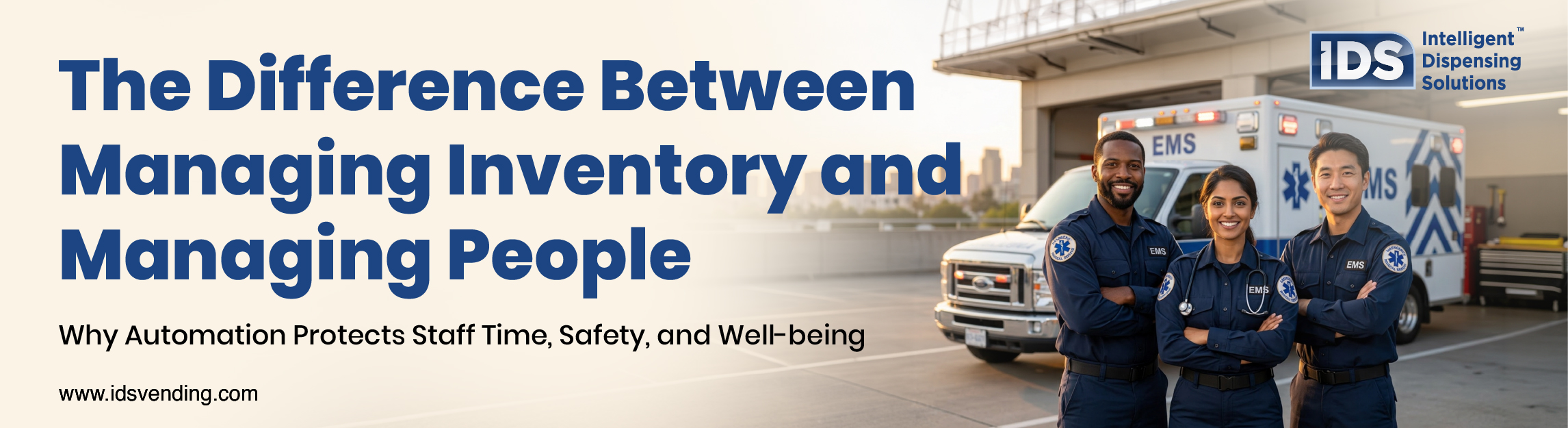
The Difference Between Managing Inventory vs Managing People


For operational leaders, inventory control is often measured by stock accuracy, spend visibility, and compliance. Those metrics matter, but they do not tell the full story.

When PPE and critical supplies are managed through manual logs, spreadsheets, unlocked storage rooms, or inconsistent check-out processes, the hidden cost often falls on employees. Staff lose time searching for supplies, supervisors spend time resolving shortages, and teams may face unnecessary delays when essential PPE is unavailable.

That means inventory challenges quickly become workforce challenges.

That’s why Intelligent Dispensing Solutions (IDS) provides automated inventory management and PPE vending machines that eliminate manual tracking, reduce stockouts, and give employees secure, dependable access to the equipment they need. IDS helps organizations protect staff time, strengthen compliance, and create safer, more efficient operations.

In This Guide:

  • Inventory management vs people management – Understand why prioritizing staff access matters as much as supply counts
  • Automated inventory management – Reduce manual workload, errors, and hidden labor costs
  • PPE vending machines – Ensure controlled, dependable access to essential safety supplies
  • How automation improves workplace efficiency – Protect staff time and reduce operational delays
  • Workplace automation – Smarter systems that strengthen compliance and visibility
  • Workplace efficiency solutions – Practical ways to support employee well-being and retention

Inventory Management vs People Management: The Business Difference

Traditional inventory systems are built around control: counting items, monitoring usage, and reducing loss. However, if those systems require employees to complete extra steps, remember manual entries, or wait for supplies, they can create inefficiencies across the operation.

The difference between inventory management vs people management lies in the outcome that an organization prioritizes.

  • Inventory management asks: Do we know where our supplies are?
  • People management asks: Can employees access what they need quickly, safely, and without unnecessary disruption?

The best workplace systems support both. IDS helps leaders achieve this balance by combining automated dispensing with people‑centered design.

A people‑centered approach to inventory management with IDS helps leaders:

  • Reduce time spent on manual supply tracking
  • Limit workflow interruptions caused by missing or inaccessible PPE
  • Improve accountability without adding administrative work
  • Give managers clearer visibility into usage and replenishment needs
  • Support employees with systems that are easy to use during busy shifts

Reliable PPE Access Protects Safety and Compliance

PPE isn’t inventory sitting on a shelf. It is a critical safeguard that protects employees from workplace hazards and helps organizations meet safety obligations.

When staff cannot access the right gloves, masks, eyewear, or protective equipment at the exact moment they need it, the consequences go beyond inconvenience. Organizations risk avoidable safety incidents, compliance violations, costly downtime, and employee frustration. In high‑risk environments like manufacturing, healthcare, warehousing, food processing, and construction, even short delays can escalate into serious operational and safety issues.

IDS PPE vending machines help organizations create controlled, dependable access to essential safety supplies. By automating dispensing and tracking at the point of use, organizations can ensure the right PPE is available to the right employee at the right time. This reduces reliance on informal processes, improves accountability, and strengthens compliance across shifts and locations.

The Hidden Costs of Manual Inventory Management

Manual PPE inventory management may look inexpensive on the surface, but the hidden costs quickly add up across shifts and facilities. Each small inefficiency compounds into measurable operational risk and lost productivity.

Common hidden costs include:

  • Time spent searching for PPE
  • Stockouts and emergency orders
  • Supervisor intervention and downtime
  • Spreadsheet maintenance and manual inventory audits
  • Employee frustration and retention challenges

These hidden costs highlight why automated PPE tracking and industrial vending systems deliver ROI beyond simple supply control. By automating inventory visibility and employee PPE accountability, organizations reduce friction, strengthen compliance, and protect workforce productivity.

How Automation Improves Workplace Efficiency

Manual inventory processes create small delays that compound over time. An employee searches for an item. A supervisor checks a stockroom. A manager updates a spreadsheet. Each task may take only a few minutes, but across multiple employees, shifts, and locations, those minutes add up to lost productivity.

With workplace automation, organizations can reduce the time employees and managers spend managing supplies. Usage is recorded automatically, inventory levels are easier to monitor, and replenishment decisions can be based on more accurate data.

For leaders evaluating how automation improves workplace efficiency, IDS makes the impact clear:

  • Employees spend less time locating and documenting supplies
  • Supervisors spend less time resolving stock-related issues
  • Managers gain better visibility without frequent manual audits
  • Teams experience fewer interruptions during critical work
  • Facilities operate with more consistent inventory processes across shifts

Reduce Human Error Before It Creates Operational Risk

Manual tracking depends on employees remembering to follow every step, every time. In fast-paced environments, it is difficult to sustain.

Missed entries, inaccurate counts, delayed updates, and inconsistent check-out procedures can all lead to inventory discrepancies. For PPE, such discrepancies can lead to unexpected shortages, poor forecasting, overpurchasing, and compliance concerns.

IDS automated inventory management systems reduce these risks by capturing usage data consistently at the point of access. Instead of relying on paper logs or end-of-shift updates, organizations maintain more accurate records of what is being used, where it is being used, and when replenishment may be needed.

Better Systems Support Employee Well-being and Retention

The everyday experience of work directly influences employee well-being. When staff can access the PPE they need without delays, avoid unnecessary paperwork, and trust that workplace systems will support them during demanding shifts, they stay focused on their responsibilities instead of fighting inefficiencies.

In an environment where many organizations face workforce shortages and retention challenges, reducing unnecessary friction in daily work can meaningfully improve employee satisfaction. Reliable inventory processes help organizations better value employee time and safety while lowering hidden labor costs.

For leaders seeking workplace efficiency solutions, IDS automated dispensing is not just an inventory upgrade; it is a strategic investment in a safer, more supportive employee experience that strengthens retention and reduces the burden on already stretched teams.

Better Control, Better Workforce Outcomes

Managing inventory is about maintaining control. Supporting the workforce is about enabling performance. Organizations do not have to choose between the two.

With IDS automated inventory management and PPE vending machines, leaders can improve visibility, reduce waste, support compliance, and protect productive staff time, all while making essential supplies easier for employees to access.

Turn PPE Access Into a Safer, More Efficient Operation

Your PPE inventory process should do more than track supplies. It should reduce safety risk, protect productive staff time, and give your team confidence that essential equipment will be available when needed.

With IDS automated inventory management and PPE vending machines, you can improve visibility, strengthen compliance, reduce manual workload, and create a more reliable experience for employees across every shift.

Explore Automated PPE Solutions

Ready to make PPE management easier for your workforce and more controllable for your operation? Contact IDS or request a live demo to explore an automated dispensing solution built around your facility’s needs.

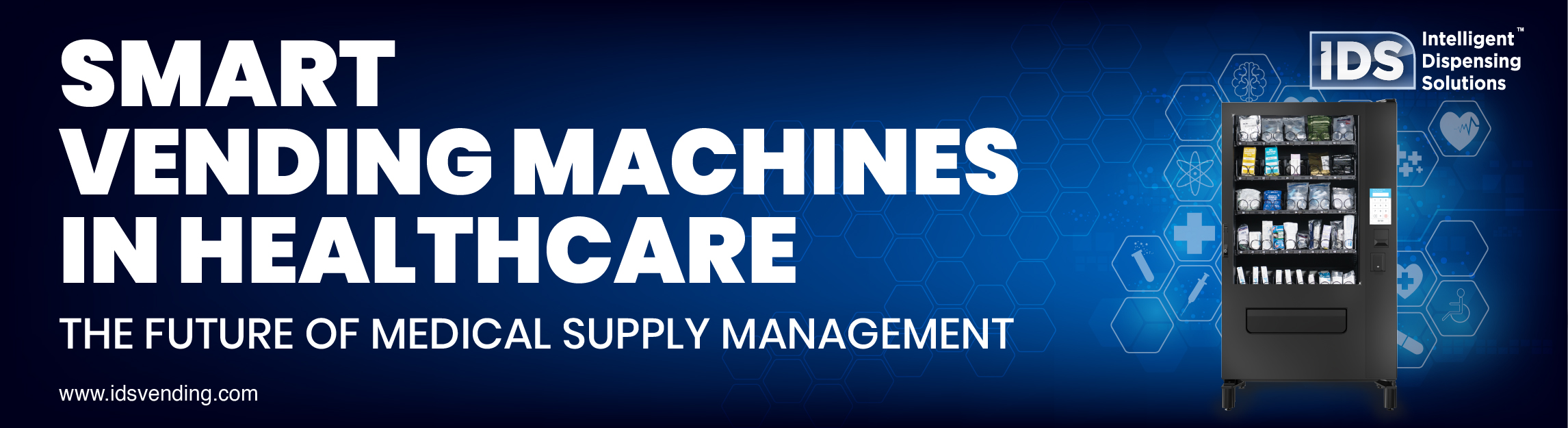
Smart Vending Machines in Healthcare: The Future of Medical Supply Management

Medical supply inventory management is one of the most critical challenges in modern healthcare. However, this crucial function is frequently undermined by systemic inefficiencies, including a lack of unified approaches to managing medical supplies, complications with expired inventory, and frequent supply chain disruptions. 

These challenges can directly affect the quality of patient care while driving unnecessary costs, creating a strain for both providers and administrators.  

Smart vending machines are addressing these issues by automating medical supply management. Through real-time inventory tracking, automated reordering, and secure access control to enhance healthcare operations. The outcome? Reduced waste, improved staff efficiency, and, ultimately, better patient outcomes.  

This blog post explores the role of smart vending machines in streamlining and enhancing medical supply management, as well as the measurable benefits they provide to healthcare facilities.

Traditional Healthcare Supply Chain Challenges

Healthcare organizations face several supply chain challenges that impact daily operations and long-term sustainability. Over the past two years, supply chain disruptions have impacted a majority of organizations, with many reporting substantial financial losses as a result. The traditional “just-in-time” inventory approach has exposed significant vulnerabilities in the medical supply chain. 

Traditional “just-in-time” inventory models—once seen as cost-effective—have exposed vulnerabilities in healthcare environments where demand is unpredictable and access to supplies is critical. 

Common challenges include: 

  • Interoperability gaps across IT systems, leading to manual workarounds 
  • Limited asset visibility, making it difficult to track usage, location, and expiration 
  • Manual processes that increase labor costs, human error, and supply loss 
  • Security and compliance risks 

Rise of Smart Vending Solutions

The growing need for automated solutions within the healthcare sector has driven the adoption of smart vending technology. Smart vending machines combine secure dispensing hardware with software-driven inventory intelligence, offering healthcare teams 24/7 access to medical supplies while automatically tracking usage and stock levels.   

These systems have proven particularly valuable and effective in healthcare and EMS environments, where traditional supply management methods struggle to keep pace with demand.

Impact on Healthcare Efficiency

UCapIt has played a key role in improving how healthcare organizations manage critical medical supplies and pharmaceuticals. By automating access, tracking, and inventory controls, UCapIt helps facilities reduce inefficiencies that are common in manual supply rooms. 

 Key operational benefits include: 

  • Real-time inventory visibility — track stock levels, usage rates, and expirations without manual counts. 
  • 24/7 automated access to EMS and medical supplies — ensure responders have what they need without relying on staffed storage rooms. 
  • Reduced medication and equipment loss — item-level accountability and access logs minimize shrinkage and diversion. 
  • Optimized reordering and stocking — automated alerts reduce stockouts and over-ordering. 
  • Better data for resource allocation — admins can redirect budget and supplies to where they are needed most. 

These improvements support more efficient healthcare delivery by reducing manual workflows, eliminating guesswork, and ensuring mission-critical supplies are always available when needed. Such a data-driven approach enables better decision-making and resource allocation, ultimately contributing to more efficient healthcare delivery. 

 Key Features Driving Smart Medical Inventory Management  

UCapIt combines controlled access dispensing with real-time tracking capabilities and secure audit logs to support a more reliable healthcare supply chain. 

Real-Time Inventory Tracking 

UCapIt allows healthcare and EMS facilities to monitor medical supplies with precision. Usage is logged at the item level, giving administrators visibility into: 

  • Current stock availability 
  • Usage patterns by user or department 
  • Expiration dates 
  • High-turnover and critical items 

This data helps reduce stockouts, eliminate manual counts, and support more accurate replenishment plans.

24/7 Access to Medical Supplies 

UCapIt provides round-the-clock secure access to critical supplies, enabling paramedics, nurses, and clinicians to retrieve items without. This can be critical for EMS environments, where every second matters and supply interruptions affect patient care. 

Automated Reordering Systems 

UCapIt uses iQ Technology to automate reordering based on actual usage data, which removes the need for manual inventory counts and reduces ordering errors. By tracking consumption and expiration dates in real time, UCapIt helps medical teams restock before supplies run out and identify items that are nearing expiration, solving two of the biggest supply chain challenges healthcare facilities face.  

UCapIt uses iQ Technology to automate reordering based on actual usage data, which removes the need for manual inventory counts and reduces ordering errors. By tracking consumption and expiration dates in real time, UCapIt helps medical teams restock before supplies run out and identify items that are nearing expiration, solving two of the biggest supply chain challenges healthcare facilities face.  

Access Control and Security Measures 

UCapIt is designed to address access control challenges that medical facilities face when dispensing regulated or high-value supplies. Security features can include: 

  • Biometric readers and two-factor/dual authentication 
  • Real-time activity monitoring 
  • Video surveillance integration 
  • Mobile notifications for unauthorized access attempts 

Optimizing Healthcare Operations 

From cost savings to improved resource management, smart vending machines offer healthcare facilities numerous operational benefits.  

Implementing smart vending machines in healthcare facilities has demonstrated substantial operational benefits, from cost savings to improved resource management. A compelling example comes from Östersund’s Hospital in Sweden, where smart vending implementation led to a remarkable 60-70% reduction in waste. 

Healthcare facilities using these systems report substantial savings in operational costs through: 

  • Reduced labor costs thanks to automated inventory management. 
  • Minimized product expiration and waste. 
  • Lower emergency ordering expenses. 

Find Out How Much You Can Save with iQ Technology 

Workflow Efficiency Improvements 

Smart vending machines don’t just manage inventory, they transform healthcare workflows. Facilities benefit from: 

  • 24/7 access to critical supplies 
  • Reduced administrative burden 
  • Streamlined procurement processes 
  • Enhanced inventory visibility  

Additionally, these systems enable smarter resource allocation by: 

  • Monitoring asset movement across departments in real-time 
  • Tracking medical device maintenance schedules 
  • Optimizing stock levels based on usage patterns 
  • Ensuring compliance with regulatory requirements 

These systems have proven especially valuable during emergencies and off-hours, facilitating continuous access to essential supplies while maintaining systematic inventory control. Supply management automation has enabled healthcare staff to focus more on patient care, improving service delivery, and operational effectiveness. 

Quality Patient Care in Your Hands Today  

Smart vending machines are transforming medical supply inventory management—eliminating stockouts, reducing waste, and improving patient care. Ready to experience the future of healthcare operations? Request a personalized demo or visit our website to see how UCapIt can impact your operations. 

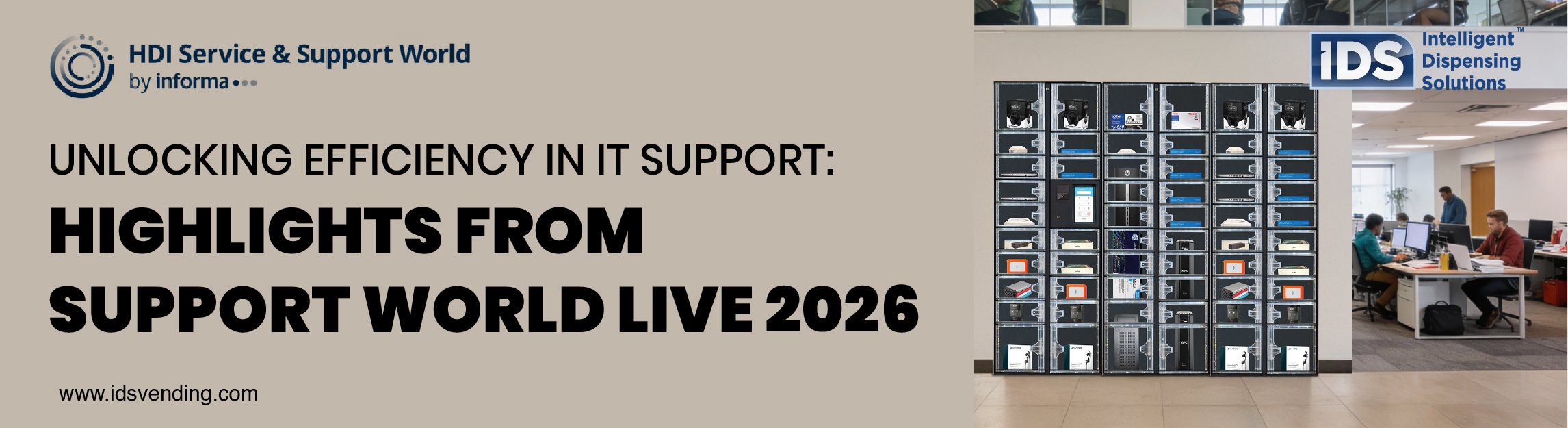
Unlocking Efficiency in IT Support: Highlights from Support World Live 2026

Support World Live 2026 brought together IT leaders, service desk professionals, and support innovators from across industries for a week focused on the future of IT support, automation, and operational efficiency. Held at Caesars Palace from May 3–7, 2026, the event created an opportunity for organizations to explore practical technologies designed to improve modern service delivery. 

As an exhibitor at booth 414, Intelligent Dispensing Solutions (IDS) had the opportunity to connect with IT professionals looking for smarter ways to manage assets, reduce service desk workload, and improve operational visibility across distributed workplaces. 

From conversations about hybrid workforce support to discussions about self-service IT operations, one thing became clear throughout the event: organizations are actively seeking scalable solutions that simplify IT support without increasing administrative overhead. 

This blog covers: 

  • Key takeaways from Support World Live 2026 
  • Common IT support challenges discussed at the event 
  • How IDS helps modernize IT asset management 
  • Why automated IT dispensing continues to gain momentum

Support World Live 2026: A Focus on Smarter IT Operations  

This year’s Support World Live centered heavily around automation, operational efficiency, AI-driven service delivery, and improving end-user experiences. Across workshops, keynote sessions, and expo hall discussions, IT leaders repeatedly emphasized the need to: 

  • Reduce repetitive manual tasks 
  • Improve support response times 
  • Create better employee experiences 
  • Gain better visibility into assets and inventory 
  • Support hybrid and distributed teams more efficiently 

Many organizations shared similar pain points. Service desks continue to face increasing ticket volumes, growing device management responsibilities, and pressure to deliver faster support with fewer resources. 

As businesses continue adapting to hybrid work environments, managing physical IT assets has become significantly more complex. Tracking laptops, chargers, headsets, access cards, and peripherals across multiple locations often creates unnecessary delays, inventory loss, and operational inefficiencies. 

That challenge became a major discussion point throughout the event.  

IDS Showcased a Smarter Approach to IT Support 

At Support World Live 2026, IDS demonstrated how automated dispensing and intelligent locker systems can simplify IT support workflows while improving accountability and asset visibility. 

IDS solutions are designed to help organizations securely distribute IT assets through supply-dispensing machines and smart lockers that provide controlled, 24/7 access to equipment and supplies. 

Whether employees need: 

  • Replacement peripherals 
  • New-hire equipment 
  • Access cards 
  • Chargers and adapters 
  • Loaner devices 
  • Headsets and keyboards 

IDS enables them to retrieve approved items quickly without relying on manual service desk interactions. 

This approach reduces delays for employees while allowing IT teams to focus on higher-value support tasks instead of repetitive fulfillment requests.  

Reducing Service Desk Bottlenecks  

One of the biggest themes discussed at the event was the growing burden placed on IT service desks. 

Simple requests such as replacing a mouse, retrieving a charger, or issuing a keyboard may seem minor individually, but together they consume a significant amount of IT staff time every day. 

IDS addresses this challenge by automating routine asset distribution. 

Instead of submitting tickets and waiting for approvals or staff’s availability, employees can securely access pre-approved items through intelligent self-service systems. Access permissions, usage tracking, and inventory controls can all be configured based on organizational requirements. 

This creates several operational benefits: 

  • Faster employee support experiences 
  • Reduced ticket volume 
  • Lower administrative workload 
  • Improved service desk efficiency 
  • Better resource allocation for IT teams 

Many attendees visiting the IDS booth were particularly interested in how automation could help support leaner IT teams while maintaining strong service standards. 

Improving Visibility with Real-Time Tracking  

Traditional spreadsheet-based tracking systems often struggle to keep pace with modern IT operations. Missing hardware, untracked checkouts, and inconsistent reporting create both financial and security concerns for organizations. 

IDS solutions help address this problem through iQ Technology, a cloud-based management platform that provides real-time tracking and reporting. 

Every transaction is automatically logged, creating a complete audit trail that tracks: 

  • Who accessed an item 
  • What was dispensed 
  • When it was retrieved 
  • Inventory levels in real time 

This level of visibility helps organizations improve compliance, reduce loss, and make more informed inventory decisions. 

For IT leaders attending the conference, real-time operational insights were among the most valuable aspects of automated asset management.  

Supporting Hybrid and Distributed Workforces 

Hybrid work environments continue to reshape IT support strategies. 

Employees now expect faster, more flexible access to equipment regardless of schedule or location. Traditional service desk models often struggle to accommodate after-hours needs, distributed offices, or shared workplace environments. 

IDS solutions support these evolving requirements by enabling secure, self-service access to IT assets around the clock. 

Whether deployed in: 

  • Corporate offices 
  • Hospitals 
  • Universities 
  • Distribution centers 
  • Manufacturing facilities 
  • Shared workspaces 

IDS systems help organizations provide consistent support access without expanding staffing requirements. 

Automating manual processes is no longer an option as IT departments continue to adapt to hybrid work, rising service requests, and shrinking response times. IDS stands out by offering secure, scalable, and tailored solutions for modern organizations. 

Why Automated IT Support Solutions Continue to Gain Momentum  

One of the clearest takeaways from Support World Live 2026 was that automation is no longer optional in modern IT operations. 

Organizations are actively investing in technologies that improve efficiency, simplify workflows, and enhance employee experiences. 

Automated IT dispensing helps address several critical operational goals simultaneously: 

  • Faster support delivery 
  • Reduced operational overhead 
  • Improved inventory control 
  • Better asset accountability 
  • Increased employee convenience 
  • Stronger compliance and reporting capabilities 

For organizations managing growing device ecosystems and increasing service expectations, these efficiencies can create meaningful long-term impacts.  

Thank You for Connecting with IDS at Support World Live 2026  

Support World Live 2026 provided an incredible opportunity to connect with IT professionals focused on building smarter, more efficient support operations. 

We appreciate everyone who visited booth 414 to learn more about how IDS solutions are helping organizations modernize IT asset management and automate service delivery. 

As IT environments continue to evolve, IDS remains committed to helping organizations improve efficiency, reduce friction, and deliver better support experiences through intelligent dispensing technology. 

To learn more about IDS automated IT support solutions, contact us at 1-855-596-1826 or schedule a personalized demo to see our solutions in action.  

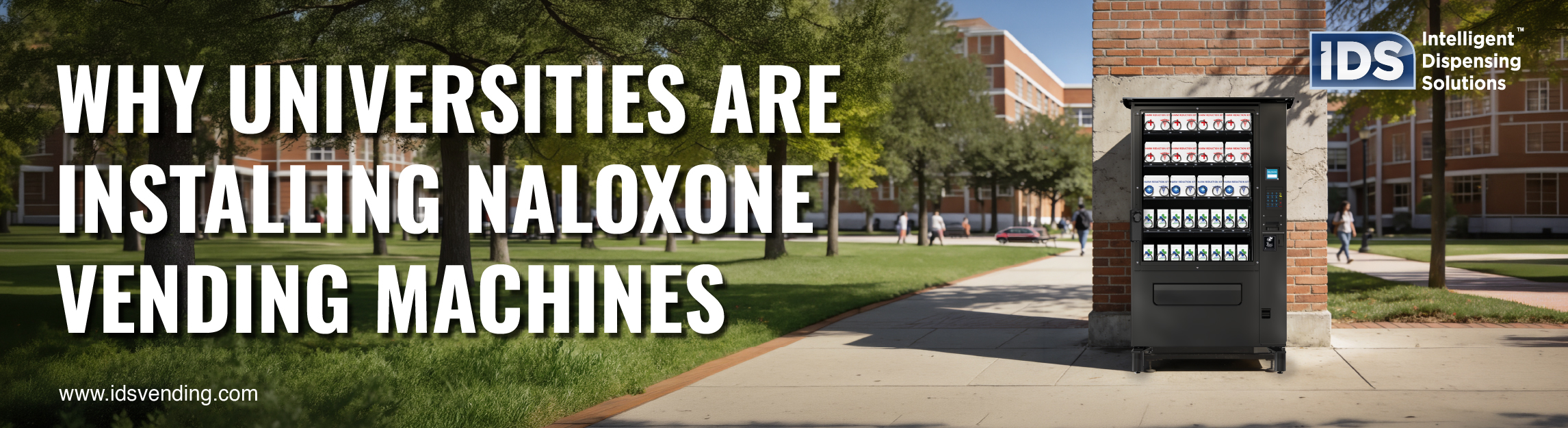
Why Universities Are Installing Naloxone Vending Machines

Harm Reduction Vending Machines

College campuses are changing how they approach student safety, and the shift is backed by data. According to Inside Higher Ed, colleges across the U.S. are expanding access to naloxone and fentanyl test strips through vending machines as overdose risks rise among young adults. What was once considered a public health issue outside campus gates is now being addressed directly within them. 

This is where university harm-reduction programs are stepping in with practical, privacy-first solutions. 

This blogpost covers… 

  • How overdose prevention is becoming a campus priority 
  • The importance of privacy-first access for students 
  • How data reporting and refill management support compliance 

Overdose prevention on campuses 

Overdose risk among young adults has increased steadily over the past decade, and universities are no longer ignoring that reality. 

Research published in Harm Reduction Journal shows that campus-based harm reduction tools increase access to lifesaving resources without increasing substance use. Instead, they reduce fatal outcomes and improve response times. 

This is why college naloxone vending is gaining traction. Naloxone saves lives
by being available where and when it is needed. 

Universities are realizing that prevention is not endorsement, but rather a responsibility. 

Student wellness programs are expanding their scope

Student wellness is no longer limited to counseling centers and fitness programs.
It now includes overdose prevention, mental health support, and emergency preparedness. 

Naloxone vending machines fit naturally into modern student safety vending initiatives. They sit alongside AEDs, emergency phones, and health kiosks. 

A study published by the National Institutes of Health highlights that students are more likely to access harm-reduction tools when they are integrated into existing wellness infrastructure. Accessibility matters, visibility matters, and most importantly, readiness matters. 

Privacy-first dispensing removes barriers

 Stigma remains one of the biggest barriers to overdose prevention, making many students hesitate to reach out for the help they deserve. 

With university narcan vending programs, students can access naloxone discreetly, without interacting with staff or peers. This privacy-first approach is repeatedly cited as a key benefit in peer-reviewed studies from PubMed Central. 

Privacy does not reduce accountability; it increases utilization. When access feels safe, students are more likely to act in emergencies. 

Data reporting and refill management support operations 

 Universities need more than access alone; they need the kind of oversight that ensures those resources are used effectively and responsibly. Modern harm-reduction vending solutions provide real-time data reporting, inventory tracking, and refill alerts. This supports compliance, budgeting, and program evaluation.  

University of Cincinnati study found that vending-based harm reduction programs improved distribution efficiency while giving administrators better visibility into usage trends. This data helps campuses plan smarter and respond faster. 

For institutions managing harm reduction campus programs, data-driven oversight is essential. 

Success stories from universities 

Programs like these are already making a difference. At Cameron University in Oklahoma, a Narcan vending machine is now part of the campus safety effort, putting lifesaving medication within reach before it’s needed. 

Other universities highlighted in the Inside Higher Ed report increased awareness, improved preparedness, and strong student support following installation. 

Across studies and case reports, one pattern is clear. When naloxone is accessible, outcomes improve.  Rather than waiting for crises, universities are now planning for prevention. 

Why this matters now 

Campus harm reduction efforts have shifted from pilot ideas to evidence‑driven strategies. 

Naloxone vending machines align with public health research, student wellness goals, and institutional responsibility. They offer accessibility, privacy, and accountability in one solution. 

That is why more campuses are adopting college naloxone vending as part of broader harm reduction campus programs. 

Moving forward with confidence 

 Universities have a choice: react after emergencies or prepare before they happen, and naloxone vending machines help campuses do the latter. If your university is exploring harm-reduction initiatives or expanding existing wellness programs, see how IDS can support your goals.  To take the next step, request a demo on our website and connect with our team to get started. 

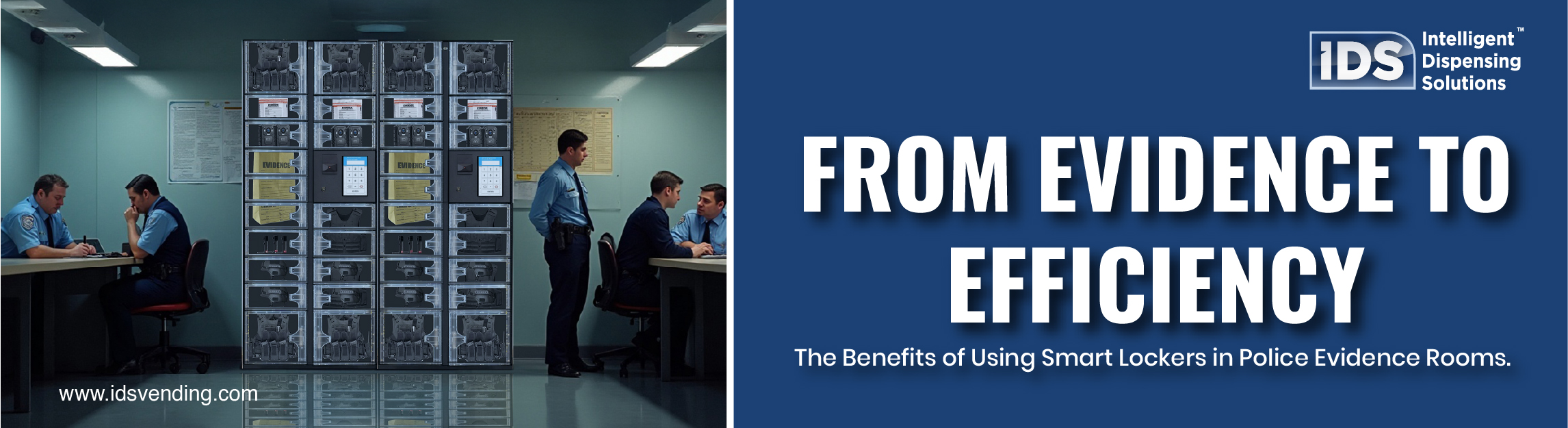
From Evidence to Efficiency: The Benefits of Using Smart Lockers in Police Evidence Rooms

Join IDS at the Rx and Illicit Drug Summit 2025: Shaping the Future of Harm Reduction blog
Ensuring the integrity of every piece of evidence is paramount to upholding justice and securing successful convictions. However, maintaining this crucial standard can be challenging when departments rely on traditional evidence storage systems. These manual processes, which often involve paper logs and limited access control, introduce systemic risks like human error and limited security oversight that unnecessarily complicate the critical chain of custody.

Modern smart evidence lockers are emerging as an essential technological upgrade for police property rooms. They replace outdated paper trails with an automated, tamper-proof, and digital solution that guarantees seamless accountability. This system ensures every piece of evidence is traceable, securely protected, and instantly accessible to authorized personnel from the moment of intake to courtroom presentation.

This Blog Post Covers:

  • Common Issues with Traditional Evidence Rooms
  • Smart Lockers: A Modern Solution for Evidence Managements
  • Why Modernization Pays Offs
  • Smart Lockers: The Future of Evidence Handlings

Common Issues with Traditional Evidence Rooms

For decades, law enforcement agencies have struggled with outdated evidence storage practices. The most common challenges include:

  • Overcrowded storage: Small, cluttered rooms filled with items from multiple open cases make intake and retrieval slow and error prone.
  • Paper-based tracking: Handwritten logs often contain inaccuracies, leading to lost evidence or delayed audits.
  • Limited access control: Unrestricted entry allows unauthorized personnel to access sensitive evidence, risking tampering.
  • No real-time visibility: Without digital tracking, officers must be physically present to check evidence status, increasing inefficiencies and staffing needs.

These inefficiencies not only cost time but also compromise the chain of custody—jeopardizing cases and public trust in law enforcement.

Smart Lockers: A Modern Solution for Evidence Management

Smart evidence management systems like IDS Police Evidence Lockers, powered by iQ Technology, are transforming how agencies store and track critical assets. They provide automation, traceability, and security—all in one integrated platform.

Key Features and Benefits

1. Real-Time Tracking and Monitoring

Each evidence item is tagged and tracked from intake to retrieval using RFID technology. Officers and administrators can instantly view its location, status, and access history.

2. Biometric and Multi-Layer Access Control

Fingerprint, facial recognition, and PIN verification ensure that only authorized personnel can access specific lockers. Every access attempt is logged and time-stamped, maintaining an unbroken chain of custody.

3. Seamless Digital Integration

Smart lockers sync with digital evidence management systems to centralize all records both physical and digital. This eliminates redundant paperwork, reduces human error, and simplifies audits and reporting.

4. Automated Alerts and Audit Trails

Supervisors receive real-time alerts on irregular access attempts and can monitor all locker activity remotely. Built-in audit trails ensure complete transparency and compliance.

5. Enhanced Security and Reliability

Constructed from heavy-duty materials with tamper-resistant design, IDS lockers protect critical evidence while supporting the operational demands of modern law enforcement agencies.

Why Modernization Pays Off

Smart evidence lockers represent a strategic investment in both accountability and operational efficiency.

Operational Efficiency

Automated tracking and reporting frees officers from manual paperwork, letting them focus on investigations instead of administrative tasks.

Optimized Space and Resources

Real-time visibility helps departments use existing storage more efficiently, delaying or eliminating costly facility expansions.

Improved Case Integrity /

Digital documentation and restricted access minimize the risk of evidence mishandling, ensuring every item remains admissible in court.

Enhanced Public Trust

Transparent, tech-driven processes build confidence in law enforcement, showing the community that evidence is handled responsibly and securely.

Smart Lockers: The Future of Evidence Handling

Smart evidence lockers are redefining law enforcement operations. They deliver:

  • Uninterrupted chain-of-custody tracking
  • Automated audit compliance
  • Reduced administrative burden
  • Long-term cost savings and scalability

With IDS Police Evidence Lockers, powered by iQ Technology, agencies gain unmatched control, visibility, and confidence over their evidence management process.

Ready to see the difference? Schedule a personalized demo with our team today. Learn how IDS Police Evidence Lockers can help your department strengthen security, save time, and eliminate chain-of-custody challenges.

Posted in IDS

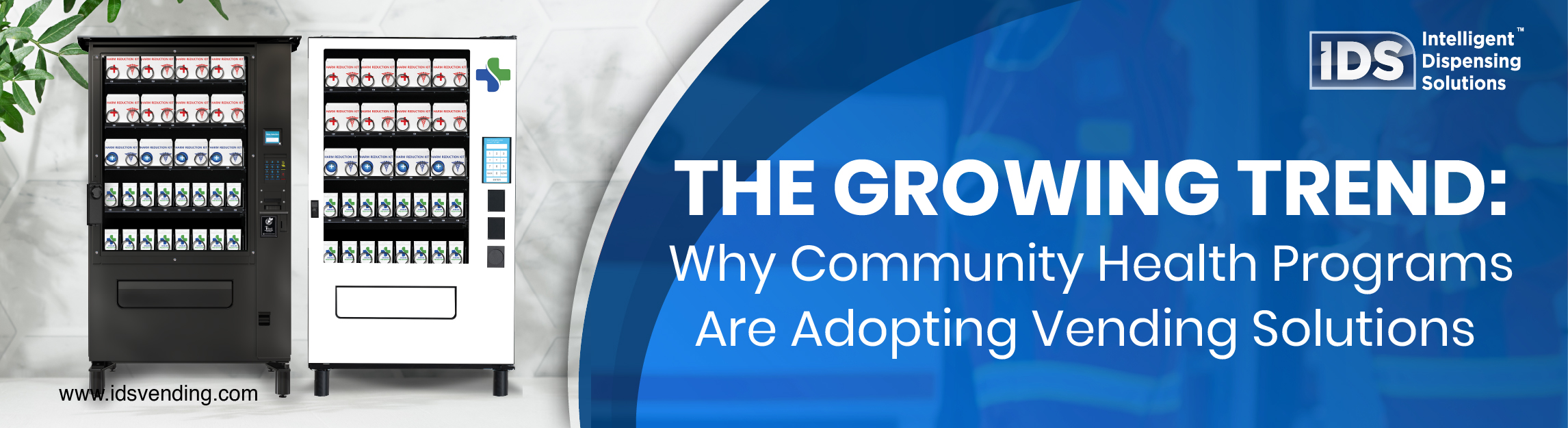
The Growing Trend: Why Community Health Programs Are Adopting Vending Solutions

Join IDS at the Rx and Illicit Drug Summit 2025: Shaping the Future of Harm Reduction blog

The landscape of community health is rapidly evolving, with innovative solutions reshaping how essential medical supplies are delivered. The integration of technology into healthcare has opened new ways to address community needs, particularly for vulnerable and underserved populations.

Did you know that 80.3% of community health centers have adopted EHRs—Electronic Health Records? The fact that over 80% of community health centers have already adopted Electronic Health Records (EHRs) shows that this sector is embracing digital innovation to improve accessibility, efficiency, and patient outcomes. This readiness for technology-driven tools makes the adoption of automated vending solutions for harm-reduction supplies, testing kits, and personal care products a natural next step. It’s a clear signal that community health programs are evolving toward smarter, more discreet, and 24/7 accessible care models.

It’s no wonder that harm reduction vending machines are emerging as a game-changer in this space.

This Blog Covers

  • What’s driving the adoption of vending solutions in community health?
  • The role of vending machines in improving health access.
  • How IDS’ Harm Reduction Vending Machines Work
  • Why vending machines are the future of community health initiatives.

Transforming Health Access with Technology

Community health programs are constantly seeking ways to meet the unique needs of their populations. Vending machines offer a versatile, low-cost solution to distribute harm reduction supplies, safe sex kits, hygiene products, and even drug overdose rescue kits. Beyond convenience, these machines empower individuals by offering 24/7 access to crucial resources in a private, stigma-free environment.

What’s in it for Community Health Programs?

Community health programs can significantly improve community well-being by enhancing access to care, increasing cost-effectiveness, and prioritizing patient privacy.

Accessibility Cost-Effectiveness Privacy
Strategic placements in high-traffic areas ensure resources are always within reach. A one-time investment with minimal upkeep compared to staffed facilities. Encourages usage by individuals who may feel reluctant to approach traditional services.

Check this out for a complete FAQ on harm reduction vending machines.

Provide Easy 24/7 Availability While Reducing Stigma

The timely availability of harm reduction supplies can play a measurable role in reducing unintended consequences or even fatalities. IDS’ Harm Reduction and Needle Exchange dispensers ensure that supplies are easily accessible to the appropriate audience while supporting privacy and confidentiality. Narcan vending machines also help combat the stigma often associated with risky behaviors, encouraging broader participation in harm reduction activities.

“IDS machines are versatile, and lockers allow us the flexibility to offer larger items like protein bags. There are many benefits over other suppliers. IDS provides value through in-house financing with competitive rates, its service entity network, and backend software that’s easy to use. IDS has the capacity to scale with us as we grow.” says Taryn Watson, President – The WOD Market.

Key Applications in Community Health

1. Overdose Rescue

Automated vending solutions dispense naloxone kits, a critical tool for reversing opioid overdoses. By placing these machines in community hubs, health centers ensure life-saving medications are available around the clock.

2. Sexual Health Support

Providing free or low-cost condoms and safe sex kits through vending machines reduces the spread of STIs and promotes safe practices. Privacy and convenience make this an effective solution for underserved populations.

3. Hygiene and Basic Needs

Vending machines stocked with essential items, from menstrual hygiene products to hand sanitizers, cater to individuals facing economic hardships or homelessness.

4. Tailored Solutions for Specific Communities

Specific programs use vending machines to distribute culturally relevant resources, enhancing engagement and utilization rates.

“IDS vending machines have truly transformed our organization. I used to be inundated with requests for IT peripherals and other office supplies, but these requests have dropped to almost none since implementing the vending machines. Plus, employees love that they can access all the supplies they need 24/7 without waiting for assistance from the IT staff, and now, the IT team spends much less time setting things up. Our breakeven occurred after only five months – the ROI is amazing!” shares Kyle Williams, IT Support Specialist – GoSpotCheck.

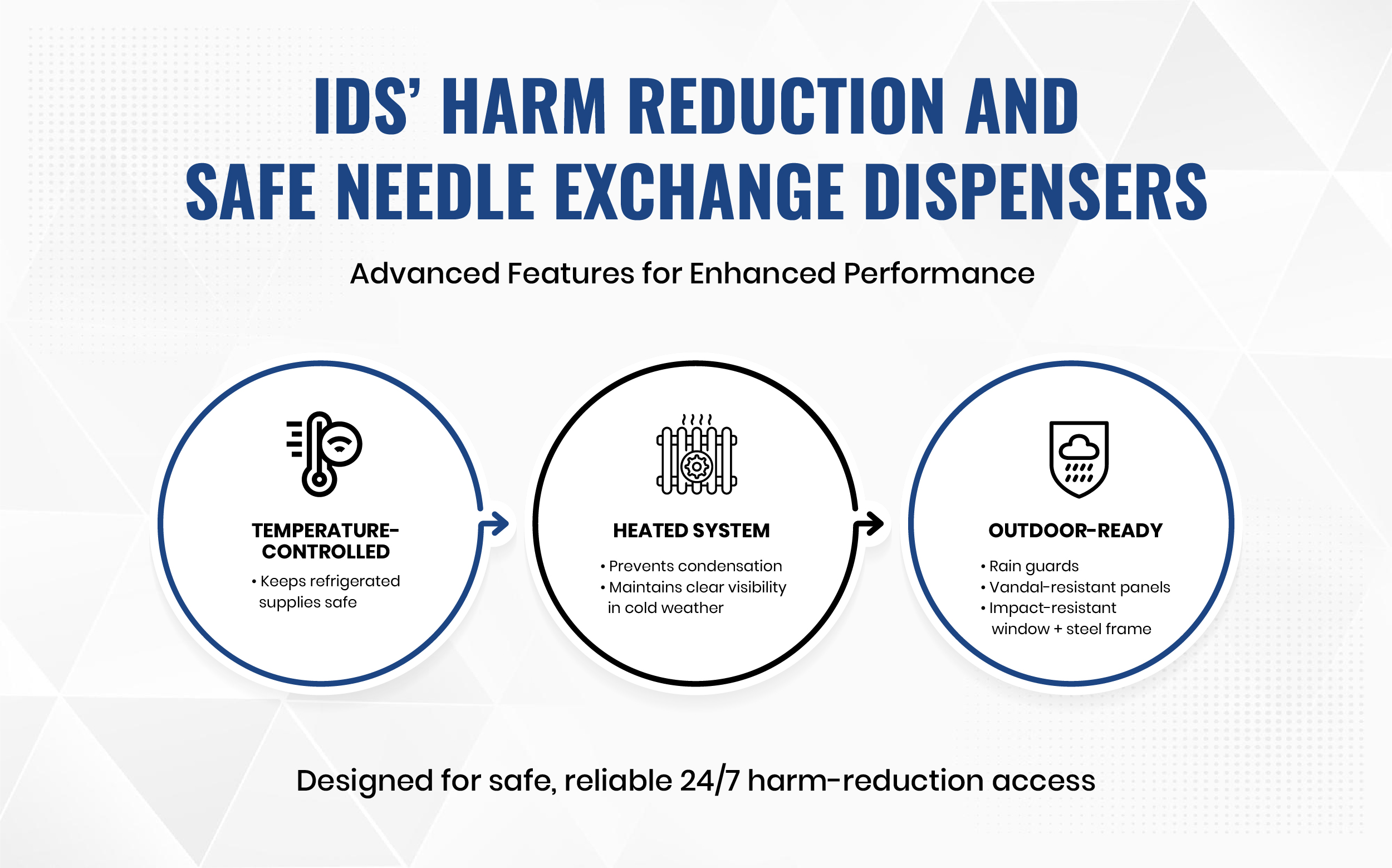
Advanced Features for Enhanced Performance

IDS’ Harm Reduction and Safe Needle Exchange Dispensers provide a quick, convenient, and contactless transaction experience while ensuring supplies are stored securely.

Key features include:

  • Temperature Control:Ensures supplies requiring refrigeration are stored appropriately.
  • Heated Options:Prevents condensation and ensures visibility in cold climates.
  • Outdoor Durability:Withstands harsh weather with rain guards, vandal-resistant panels, and an impact-resistant polycarbonate window cover with a steel frame.

These outdoor harm reduction vending machines provide peace of mind when placed outdoors or in climate-demanding areas, ensuring continuous access to essential supplies.

How Harm Reduction Vending Machines Work

1. Participants receive a unique card or PIN number.

2. Once the card is swiped or PIN is entered, clients can receive products from the machine such as syringes, Naloxone (injectable and nasal), pregnancy tests, safe sex kits, hygiene kits, first-aid kits, and sharps containers.

3. All items in the vending machine are free.

4. The vending machines offer convenience and privacy; participants can obtain supplies without speaking to anyone. Each machine can also be equipped with a sharps container for syringe returns.

IDS’ dispensing machines are versatile and can handle harm reduction products of varied sizes and packaging. This means agencies can use a single machine to provide:

Safer injection kits Safer smoking kits Safer sex kits Intramuscular (IM) naloxone
Nasal spray Narcan (naloxone) Fentanyl test strips Medication Clean needles/syringes
Adhesive bandages Pregnancy and other tests Personal hygiene General first aid kits

Getting Started: Implementing Vending Solutions

Adopting vending machines for community health programs is straightforward. Here are actionable steps:

  • Assess Needs: Identify the specific needs of your community.
  • Customize Machines: Stock items that align with your program’s goals.
  • Secure Strategic Locations: Place machines in high-traffic or underserved areas.
  • Promote Awareness: Use community outreach to inform the public about these resources.
  • Partner with Experts: Collaborate with vending solution providers who understand community health.

Why Choose IDS for Your Harm Reduction Vending?

At IDSVending, we specialize in providing vending machines for community health programs. With a focus on quality and reliability we’ve helped numerous organizations elevate their harm-reduction initiatives.

CUSTOMER SPOTLIGHT: H.O.P.E TESTING

Why partner with IDS?

  • Proven track record with community health programs.
  • Flexible configurations for diverse needs.
  • Dedicated support from start to finish.
  • Equipment manufactured in the USA.

Contact us today to explore how our vending solutions can empower your community health efforts and discuss your specific needs. Together, we can build healthier, stronger communities.

Posted in IDS

The Life-Saving Role of Harm-Reduction Vending Machines

The Life-Saving Role of Harm-Reduction Vending Machines
Every year, the United States loses approximately 100,000 lives1 to drug overdoses, according to the CDC, National Centre for Health Statistics. While overdose deaths have declined slightly in recent years, they remain alarmingly high. Communities nationwide are looking for innovative solutions, and harm reduction vending machines have emerged as a compassionate and practical approach to address this crisis.

This blog will help you:

  • Understand harm reduction and its role in combating overdose deaths.
  • Explore how vending machines extend life-saving resources.
  • Learn about their impact, from reducing disease spread to encouraging safer drug use.
  • Discover the challenges and benefits of harm reduction programs.

What Is Harm Reduction and Why Does It Matter?

Harm reduction focuses on minimizing the risks associated with drug use rather than insisting on abstinence. This approach provides individuals already using drugs with tools to protect themselves, such as clean needles, fentanyl test strips, and Narcan to reverse overdoses. The goal is simple: save lives and reduce harm.

Harm reduction is built on compassion rather than judgment. It helps those struggling with addiction stay safe and healthy until they’re ready to seek further help.

How Do Harm Reduction Vending Machines Work?

Harm reduction vending machines distribute vital supplies such as:

  • Clean syringes and pipes to prevent the spreading of infectious diseases like hepatitis C and HIV.
  • Narcan, a life-saving medication that reverses opioid overdoses.
  • Fentanyl test strips to detect dangerous substances in the drug supply.
  • Wound care kits to treat infections and injuries.
  • Condoms and emergency contraception for safe sex practices.

These machines are temperature controlled to preserve medications and can be accessed 24/7, ensuring help is available when traditional clinics are closed.

Do Harm Reduction Vending Machines Enable Drug Use?

Critics often argue that harm-reduction programs encourage drug use. However, experts disagree. According to research in Clark County, Nevada, the implementation of vending machines dispensing naloxone was linked with a measurable reduction in overdose fatalities.

Why Are These Machines Effective?

Harm-reduction vending machines have proven to be life-saving:

  • A study in Nevada showed a 15% reduction in overdose deaths within the first year of implementing such machines.
  • Research from Cincinnati linked 24/7 access to supplies with a slower spread of HIV.
  • These machines provide a low-barrier entry point for individuals to connect with harm reduction services.

Breaking Myths: “Enabling” or Empowering?

Myth Reality
Vending machines encourage drug use. Most users are already drug-dependent; the machines reduce harm.
These programs lead to increased crime or loitering. Studies show no significant rise in crime rates.
It’s a waste of public funds. Harm reduction saves money by preventing costly hospital visits and treatments. Compelling evidence shows that it can be cost-effective in the long-term.

Challenges and Pushback

Despite their benefits, harm reduction vending machines face resistance. Critics cite concerns about increased public drug use and needle litter. In some states, drug paraphernalia laws restrict their use. Moreover, stigma surrounding drug use and misconceptions about harm reduction can make community acceptance difficult. Yet public health experts emphasize that the advantages far outweigh the drawbacks.

The Human Impact: A Story from North Adams

In North Adams, Massachusetts, a harm reduction vending machine outside Berkshire Harm Reduction has become a vital lifeline. Clients like Brian, who once risked exposure to hepatitis C, now have discreet access to clean needles and life-saving tools like Narcan. As Brian says, “It’s come in handy quite a few times.” This local success story is part of a national trend. That movement began in 2017 when Intelligent Dispensing Solutions created the first continental U.S. harm reduction machine, which debuted in Nevada. Since then, hundreds have been sold across at least 35 states, a surge driven by the pandemic and the availability of federal grants aimed at combating the opioid crisis. (Source: Wbur)

Building a Better Future

The success of harm reduction vending machines highlights the need for innovative, compassionate solutions to the overdose crisis. These machines save lives, reduce the spread of disease, and offer a first step for individuals seeking help.

Interested in how harm reduction strategies are making a difference? Discover how IDS’ Harm Reduction vending machines and technology can save lives and build safer communities. Support harm reduction efforts by learning more about these innovative vending machines.

Posted in IDS