
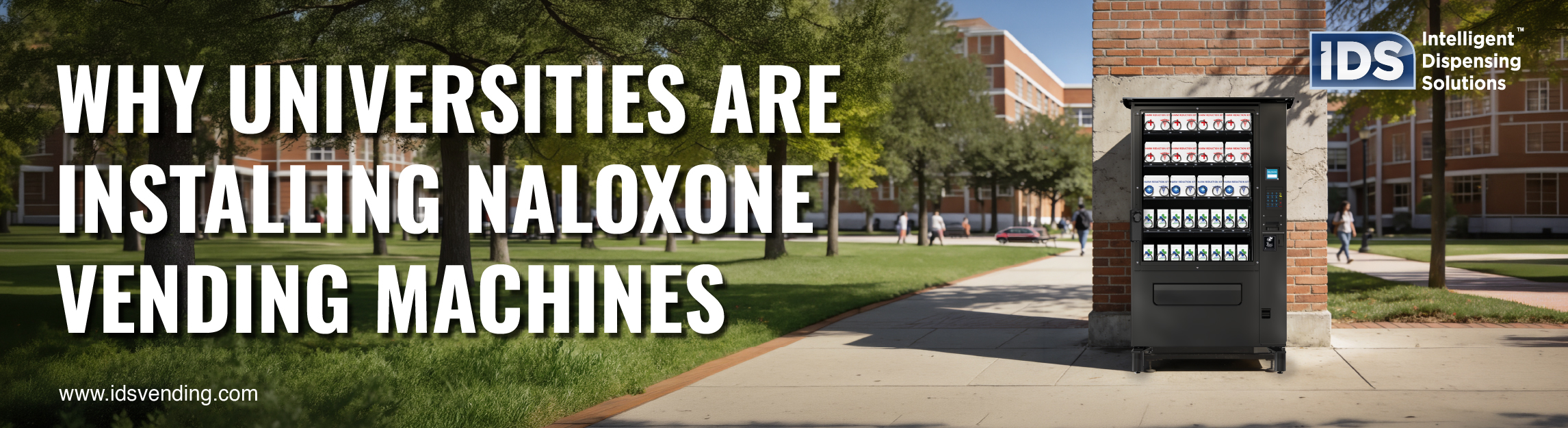
College campuses are changing how they approach student safety, and the shift is backed by data. According to Inside Higher Ed, colleges across the U.S. are expanding access to naloxone and fentanyl test strips through vending machines as overdose risks rise among young adults. What was once considered a public health issue outside campus gates is now being addressed directly within them.
This is where university harm-reduction programs are stepping in with practical, privacy-first solutions.
This blogpost covers…
- How overdose prevention is becoming a campus priority
- The importance of privacy-first access for students
- How data reporting and refill management support compliance
Overdose prevention on campuses
Overdose risk among young adults has increased steadily over the past decade, and universities are no longer ignoring that reality.
Research published in Harm Reduction Journal shows that campus-based harm reduction tools increase access to lifesaving resources without increasing substance use. Instead, they reduce fatal outcomes and improve response times.
This is why college naloxone vending is gaining traction. Naloxone saves lives
by being available where and when it is needed.
Universities are realizing that prevention is not endorsement, but rather a responsibility.
Student wellness programs are expanding their scope
Student wellness is no longer limited to counseling centers and fitness programs.
It now includes overdose prevention, mental health support, and emergency preparedness.
Naloxone vending machines fit naturally into modern student safety vending initiatives. They sit alongside AEDs, emergency phones, and health kiosks.
A study published by the National Institutes of Health highlights that students are more likely to access harm-reduction tools when they are integrated into existing wellness infrastructure. Accessibility matters, visibility matters, and most importantly, readiness matters.
Privacy-first dispensing removes barriers
Stigma remains one of the biggest barriers to overdose prevention, making many students hesitate to reach out for the help they deserve.
With university narcan vending programs, students can access naloxone discreetly, without interacting with staff or peers. This privacy-first approach is repeatedly cited as a key benefit in peer-reviewed studies from PubMed Central.
Privacy does not reduce accountability; it increases utilization. When access feels safe, students are more likely to act in emergencies.
Data reporting and refill management support operations
Universities need more than access alone; they need the kind of oversight that ensures those resources are used effectively and responsibly. Modern harm-reduction vending solutions provide real-time data reporting, inventory tracking, and refill alerts. This supports compliance, budgeting, and program evaluation.
A University of Cincinnati study found that vending-based harm reduction programs improved distribution efficiency while giving administrators better visibility into usage trends. This data helps campuses plan smarter and respond faster.
For institutions managing harm reduction campus programs, data-driven oversight is essential.
Success stories from universities
Programs like these are already making a difference. At Cameron University in Oklahoma, a Narcan vending machine is now part of the campus safety effort, putting lifesaving medication within reach before it’s needed.
Other universities highlighted in the Inside Higher Ed report increased awareness, improved preparedness, and strong student support following installation.
Across studies and case reports, one pattern is clear. When naloxone is accessible, outcomes improve. Rather than waiting for crises, universities are now planning for prevention.
Why this matters now
Campus harm reduction efforts have shifted from pilot ideas to evidence‑driven strategies.
Naloxone vending machines align with public health research, student wellness goals, and institutional responsibility. They offer accessibility, privacy, and accountability in one solution.
That is why more campuses are adopting college naloxone vending as part of broader harm reduction campus programs.
Moving forward with confidence
Universities have a choice: react after emergencies or prepare before they happen, and naloxone vending machines help campuses do the latter. If your university is exploring harm-reduction initiatives or expanding existing wellness programs, see how IDS can support your goals. To take the next step, request a demo on our website and connect with our team to get started.