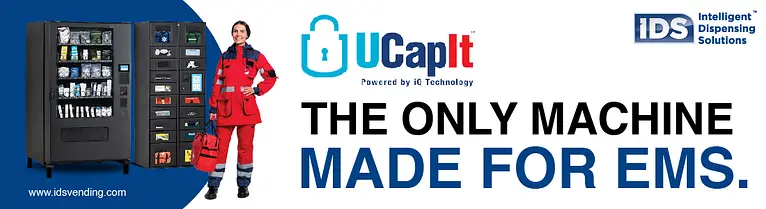
UCapIt: The Only Machine Made for EMS

“When we waste dollars through inefficient practices, we are not being good stewards to our patients, our taxpayers, or to our EMS mission,” Jonathan D. Washko, MBA, FACPE, NRP, AEMD.

The problems with today’s emergency medical supply management are multifold: Paramedics and EMTs are running short of critical and non-critical (but important) supplies. The scramble to locate stocks kills precious time, leading to frustration and dissatisfaction. Agencies that overstock supplies to prevent stock shortages find themselves looking for items within overstuffed cabinets and bags. Overstock can also lead to product expiration, creating a problem of another kind. 

Successful inventory management requires insight, foresight, and a sophisticated system – a foundation that can help build a practical and unique framework for smart inventory management and decisions. Such a system can help organizations reduce costs, reduce wastage, and cut down on liabilities. 

Introducing UCaplt

UCapIt is a system designed to help EMS, pharmaceutical, and other medical professionals save time and money and enjoy the benefits of real-time usage data and inventory tracking. 

UCapIt vending machines and supply lockers provide administrators with access control, inventory management, and accountability over the entire medical supply lifecycle. The versatile hardware offering of UCapit vending machines and supply lockers enables them to have control over their supply room. Using this, they could store, track, and dispense a range of emergency medical supply products in a secure manner.

Simplified, Cutting-edge Inventory Management

The healthcare fraternity faces many challenges in the current ecosystem. They are increasingly required to provide quality patient care at reduced operational costs amidst increased regulations and patient volumes. UCaplt is the solution you might be looking for, as it provides a simple yet effective solution to the inventory problems faced by hospitals, EMS, and other healthcare facilities.

“The UCapIt system gives us a hard data inventory report we can rely on.”
Dan Lottes, Firefighter, D.C. Fire and EMS

UCaplt meets and exceeds the standard of inventory control. It helps you take back control of your medical supplies, ensure safe and secure storage of narcotics and medical equipment, and offers various ways to authorize crew members to access inventory – by entering a unique code on a pin pad, proximity sensor, barcode reader, magnetic strip, or biometrics scanner. 

Our supply vending machines and lockers help check multiple forms of ID. With UCaplt’s own iQ Technology software, you can catalog all withdrawals from the stock, time stamp them, and regulate them as per tech clearance or training level. 

Types of UCapIt Hardware 

UCaplt hardware includes: 

Supply Dispensers

Refrigerated and non-refrigerated Supply Dispensers facilitate the secure dispatch of medical supplies, narcotics for medicinal intervention, and pharmaceuticals to authorized personnel. They provide a single point of access to the entire team – ensuring the safe and secure maintenance of inventory.

Supply Lockers

Supply Lockers also serve the purpose of facilitating access to medical equipment and supplies. It also facilitates the return of these products. Each bay in a Supply Locker can be adjusted to fit taller supplies if necessary.

Virtual Tracker

The Virtual Tracker is designed to make inventory management for many items that don’t fit in a Supply Dispenser or Supply Locker  as simple as it can be. With this, you can maintain stock accounts accurately, locate bins, pick orders, and receive inventories.

UCapIt Powered by iQ Technology 

iQ Technology is UCapIt’s proprietary inventory management software, as it allows users to know the status of their emergency medical dispensing inventory, helps reduce cost by cutting down on shrink and hoarding, and eliminates waste that occurs through expired products. iQ Technology tackles the drawbacks of modern inventory management, such as stock shortages, identification of stocks, and security, with a cloud-based backend that is easy to use, track, and manage. And wouldn’t managing inventories be much easier with real-time analytics that can help make data-driven executive-level decisions? 

IDS has a storied history in the dispensing industry. We have served customers for over 90 years in the automatic merchandising business. Contact IDS today to learn how we can help your organization save time and money with our secure dispensing hardware and software by calling 1-866-409-3024.

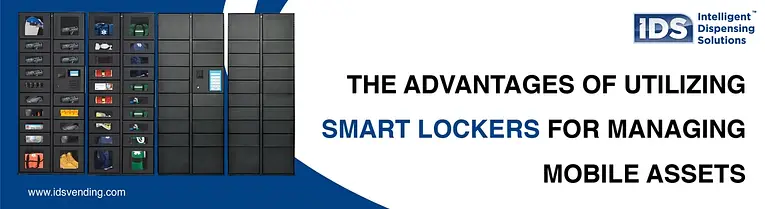
The advantages of using smart lockers for mobile asset management over manual methods


The advantages of using smart lockers for mobile asset management over manual methods - idsvending.com

Manual asset management – Fraught with many limitations!

A clipboard full of checkboxes for each asset that gets passed around and is shared by several users can very quickly become a nightmare for all maintenance, operations, and supply chain professionals. The data gathering is tedious while preparing summary reports and reconciliation with stores is often fraught with errors. It is the perfect scenario for Murphy’s law.  

This article is not going to be all gloom and doom. Still, it is essential to understand the disadvantages of manual asset management before we discuss how iQ Technology paired with smart lockers can make your inventory management efficient and effortless. Some of the key disadvantages of manual asset management over mobile are discussed below.

  • Cumbersome

Manual asset management involves data entry at several points, often by several people. Even with the use of computers and spreadsheets, the task does not become any easier. Hundreds of devices, tools, and consumables need data entry at several points, such as procurement, check-out, check-in, and disposal.  Summarizing the data gathered to generate meaningful reports is a difficult challenge. Finally, more effort is required to make this data flow to other systems.

  • Human Error is inevitable

Data is only as valuable as it is accurate. Human involvement in gathering and processing data makes the data prone to errors. Erroneous data can be more dangerous than having no data at all. Poor data has a bad habit of contaminating insights in downstream processes and making data from upstream processes unreliable. It is impossible to eliminate human error, especially when it involves tedious yet precise manual entries that are repetitive.

  • Delayed Asset Status

Manual asset management delays data gathering, rendering the data unavailable for tactical and business decisions. Just as serving justice, data delayed is data denied. 

  • Non-Standard Data

Another challenge with manual data gathering is data can be interpreted and reported differently depending upon the methodology and source of the analysis. To combat this, radio buttons and objective options are oftentimes used, however, this approach diminishes the amount of intelligence that can be gathered. Unstructured data analysis, visualization, and big data can help with data analysis, however, these methods are most applicable when the volume of data is high.

  • Resistance to Modifications

When gathered manually, data tends to resist any structure, resolution, or data type changes. Even a tiny change in a set of constrained inputs can disrupt data gathering for many. The workforce needs to be trained in the need for changed data and the process of acquiring it. Considering that the data is seldom acquired by someone dedicated to this purpose, people may view such retraining as a distraction from their responsibilities.

  • Employee Motivation

Tracking and monitoring asset information manually cause difficulties for employees at various levels. The process is tedious and susceptible to errors, as often the task of entering data is not a measure of success, but can considerably impact decision-making considerably. This means more work for no direct outcome for the employee. Inaccurate data can also confuse employees, causing frustration.

Smart Lockers and Mobile Asset Management

Smart lockers automate the management of your assets. Workflows can be written to provide role-based or need-based access to assets through precise authentication mechanisms. And yes, there is minimal to no manual data entry involved. Data is made available in real-time as and when it is created. 

When combined with tagging and tracking solutions like RFID, Bluetooth, Keycard, or Passcode-based authentication, establishing the chain of custody becomes automatic. Smart lockers are a combination of three pieces of technology.

  • Hardware

Adjustable Lockers serve as a pickup and drop-off center that stores your assets when not they are not in use. Users can use the electronic panel or their ID cards to check out and check in devices or equipment. The access interface can be customized to authenticate various methods like User PIN, Employee Keycard, RFID, or even passcodes delivered to mobile phones.

  • Software

iQ Technology software from IDS serves as the backend brains behind the hardware. The software is where you set up employee limits and authorization as well as view real-time data that includes who used what assets, when and how many.

  • Integrations

Mobile assets are used in various processes in the enterprise. Different functions use enterprise systems like ERP, SCM, and Procurement systems. Asset tracking can be complete only when the supply lockers can integrate with different enterprise systems and ensure a single source of information.


Smart Lockers Vs. Manual Asset Management – Is it even fair to compare?


Particulars Smart Lockers Manual Asset Management
Profitability Profitability improves due to better efficiency, higher uptime, improved productivity, better use of assets, and lesser hoarding/ shrinkage. Asset management initiatives focus on existence and not excellence, resulting in higher inefficiencies.
Process Continuity Real-time asset trackability ensures mission-critical assets’ visibility and continuity in the process. The lead time to data visibility can cause a massive disparity between the actual status and the recorded status of the asset.
Asset Utilization Information on available (unutilized) assets helps allocate assets around the clock to drive higher utilization. Poorer utilization of assets as data is neither current nor accurate.
Accountability Accurate chain-of-custody ensures responsible usage of assets. Manual data entry allows missing or invalid entries, thereby reducing accountability.
Reliability Logging and scheduling maintenance can be automated through workflows, making equipment more reliable. The asset maintenance is relegated to individuals and prone to human error.
Actionable Insights The software layer in smart lockers can trigger instant reports to empower decision-makers.. Manual consolidation of data and reporting may not be available in time to make decisions.
Seamless Interoperability Data is gathered and stored digitally, allowing integration with other enterprise systems. Data is gathered and entered manually into spreadsheets, limiting interoperability to a few systems.
Employee Experience Employees can focus on creating value for the business by executing their responsibilities better. Employees are burdened with data gathering and the consequences of inaccurate data.


Mobile Asset Management with Smart Lockers – The No-brainer Decision

Your devices and equipment contribute as much to the business process as fixed assets like buildings, if not more. Ensuring their condition, availability, and uptime is critical for efficient operations. Smart lockers help manage mobile assets effortlessly and accurately. The three layers of technology – hardware, software, and integration applications come together to ensure better availability and utilization of mobile assets leading to time saved and increased profitability.

IDS Vending is the industry leader in smart lockers and controlled dispensing technology. Talk to our experts to see how our lockers can help you manage your mobile assets. Click here to learn more or call us at 1-866-409-2978.

Unique Vending Machines Offering the Anti-dose Drug Narcan Gain Support

Unique Vending Machines Offering the Anti-dose Drug Narcan Gain Support

Did you know that just 2 milligrams of fentanyl are enough to cause an overdose? Some governments and non-profit organizations are making use of vending machines to distribute Narcan, a medication reversing opioid overdose, to reduce drug overdose deaths.

Also, Narcan vending machines with this lifesaving medication are being installed in various cities across the country, including North Carolina, Winston-Salem, and Philadelphia, at malls, detention centers, college campuses, and other public places for use in emergencies.

Vending machines dispensing Narcan, the fentanyl antidote, are popping up across the US as a small town of 7000 people was forced to restock seven times in one month – while the opioid death count exceeds 75000 this year.

Furthermore, to increase Narcan availability, some local governments have placed the vending machines strategically near at-risk populations — for instance, at jails — since studies suggest that recently incarcerated individuals are about 40 times more likely to die of opioid overuse than others.

 Some Facts about this Scenario

  • Here are some facts about the ongoing fentanyl crisis:
  • In 2022, fentanyl has resulted in the death of 75,000 people already.
  • In the most recent move to counter the fentanyl crisis, numerous communities have begun utilizing free Narcan dispensing vending machines.
  • As well as that, these machines are stocked with free Narcan nasal spray, and some also include free snacks and other products.
  • Mostly, non-profits pay for the machines, though some local governments have started operating them.
  • Finally, the high number of fentanyl deaths is augmented by the fact that users are unaware of the fatal drug being laced into several other substances including methamphetamine and cocaine.

Why is Fentanyl Dangerous? 

Our Organization’s Insights

Ashley Hubler, Chief Marketing Officer of the Wittern Group, a vending machine supplier in Iowa, said “These organizations, they may be closed at five but with a machine that could be outdoors or placed in a variety of places,” “Now the end users can access the machine regardless if it’s four o’clock during business hours or two o’clock in the morning [to] access the supplies when they need them.” 

Our organization has been selling vending machines for food and drinks for about 90 years. We believe that managed vending machines are easy to implement, offer convenience and provide many more benefits.

Case Study

Amanda Clark, a Lead in the Forsyth County Department of Public Health said, “We actually had an EMS call recently where there was an overdose happening about a block or two down the street from our jail”.

Additionally, she said, “The person who called 911 remembered that there was that Narcan machine at the jail. And so after they called 911, they actually ran to the jail to get some Narcan from the machine while they were waiting for first responders to get there. And the person was able to be revived, and by the time the paramedics got there, they were sitting up and talking and doing fine.

Similar Initiatives and Stats

Initiatives similar to the one shown in the case study above have been taken in Michigan, Nevada, Washington, Indiana, among other states. They follow the FDA (Food and Drug Administration) loosening its restrictions on Narcan and other opioid overdose antidotes in 2019 to increase their availability.

Additionally, vending machines with Narcan are being used in other cities. The Central Washington Recovery Coalition, which is a non-profit organization helping drug users, set up three vending machines around its area, including Moses Lake and Wenatchee. Local charities give users a code, which they can input on a vending machine to receive their dose of Narcan.

The following graph shows the fentanyl deaths in the US from 2017 to 2022:

Final Words

The opioid overdose death rate is higher today than ever before. Synthetic opioids, mainly fentanyl, have contaminated the drug supply. Not to mention, it is found in almost everything these days, which is driving this spike in opioid overdose deaths.

In a Fox News interview, Jim Crotty, former deputy chief of staff for the Drug Enforcement Administration, said, “We should be carpet-bombing our cities with naloxone. That’s how dire this crisis is.”

Reference: https://www.washingtonexaminer.com/policy/healthcare/nonprofits-governments-narcan-vending-machines


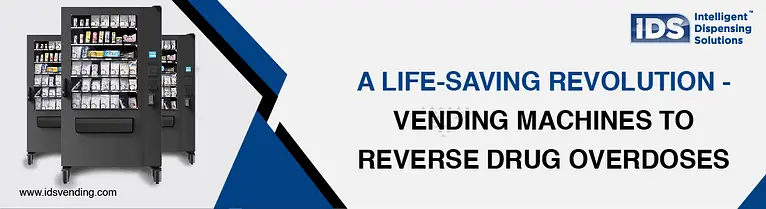
A Life-Saving Revolution – Vending Machines To Reverse Drug Overdoses‍

A Life-Saving Revolution - Vending Machines To Reverse Drug Overdoses‍


Drug addiction and opioid overuse are major threats to life in the United States, with reports suggesting that 70,000 Americans fell prey to the epidemic in 2018, 92,000 in 2020, and 1,08,000 last year. To reverse the effects of these drugs and prevent the loss of precious lives, cities and aid groups have come up with a solution that is increasingly gaining popularity – Narcan-stocked vending machines. This article offers in-depth coverage of vending machine’s brand-new avatar – as  lifesavers. 

The Problem – Drug-Overdose Deaths

The statistic above makes for a distressing read. It indicates that the opioid crisis is only getting worse year by year. This complex issue is caused by a combination of factors – including the overprescription of opioids by doctors, the illicit production and sale of opioids, and the increased availability of powerful synthetic opioids like fentanyl. The Fentanyl content (a powerful synthetic Opioid that is 50-100 times stronger than Morphine) present in cocaine or fake pills, has been silently killing the many who are unaware of its mixture or potency.  The result is an epidemic of drug overdose deaths ravaging our society and claiming the lives of far too many people. To make it worse, no situation at hand has proven effective in curbing this. The police and the EMT are at loggerheads, as they could only reverse 1% of the 8,711 overdoses recorded. 

The Solution – Vending Machines Stocked With Overdose-Reversing Nasal Spray

The solution discovered – vending machines stocked with overdose nasal spray, an approach that has even found favor with the Food and Drug Administration (FDA). America’s governing body for food & drug safety has joined a few states in easing the restrictions on medications such as Narcan to facilitate its lifesaving role.

Narcan is an opioid antagonist. It binds the opioid receptors in the brain, therefore blocking the effect of opioids. This can reverse an overdose and save a person’s life. 

Narcan is a safe and effective medication that is easy to use and can be administered by anyone. It is available in the form of a nasal spray, which can be sprayed into the nostrils of a person who is overdosing. The nasal spray is now available in vending machines located in public places such as schools, libraries, and parks. 

Vending machines stocked with Narcan or similar medications can be lifesaving. The easier availability of Narcan also serves to destigmatize addiction. It normalizes the conversation about addiction, thus reducing the shame and isolation often experienced by people struggling with addiction. 

In addition to Narcan, vending machines are now stocked with fentanyl test strips. These test strips detect the presence of fentanyl in a drug sample and help prevent accidental overdoses. Fentanyl is a powerful synthetic opioid often mixed with other drugs, such as cocaine and heroin. It is highly potent and deadly if taken in large doses (as seen above).

How Is It Distributed? 

Vending machines stocked with Narcan overdose nasal spray are becoming increasingly available. In the United States, Narcan is available in more than 40 states. It is also available in Canada, Australia, and the United Kingdom. It is distributed in various forms, including nasal spray, tablets, and injectables. 

Nonprofits across the country are working hard to install vending machines for this purpose. The Wittern Group first received a call from such an aid group, requiring us to outfit a few used vending machines to dispense Narcan. More than 100 such groups contacted us last year requesting quotes for vending machines. A few of the customers we now cater to in this segment include a Rhode Island group that volunteers to provide clean needles to drug users, Yale University, and agencies in California funded by Anthem Blue Cross. 

“They’re putting them in fire stations, jails, churches, places that are public,” – Julie Burgess, The Wittern Group. 

Final Words 

The availability of a tool, even something lifesaving as a Narcan stocked vending machine, does not license the abusive use of substances that could derail the health of individuals and the community. We will do well to understand that the solution we have in hand isn’t something drug users can resort to as a remedy to their addiction. 

Used right, we have something that could take us on the long road to tackling the ugly menace of drug addiction,  After all, innovations, even the little creative ones, have always shaped the fabric of our existence, helping us enjoy the fruits of healthy existence that seemed impossible even decades ago.

Reference link: https://www.wsj.com/articles/vending-machines-dispense-narcan-to-reverse-opioid-overdoses-11669003881

How to Make Every Minute Count in Your Distribution Center?

Time is money in your distribution center

Efficiency is critical while running a distribution center. Wasted time translates to wasted effort, unused space, and inefficiencies in labor. Considering that the core value added by a distribution center is holding material, time and effort become the most significant contributors to cost. Optimizing these two factors is the key to making the most of the distribution center. Time-related efficiency can be affected by several parameters like:

  • Cost of unused duration

Maximizing holding time and minimizing material movement or handling are some of the primary objectives of any warehouse. A warehouse can only charge its customers or beneficiaries for the utilized duration. The duration for which the space is unused has a direct impact on the revenue. But that is not all. Operational expenses like utilities, rent, and labor continue to accrue while the space lies unused. It is a double whammy.

  • Inefficiencies in storage and retrieval impacts throughput

Material or stock moving through the distribution center usually goes through a six-step process. Inward docking – unloading – storing – retrieving – loading – dispatch. Most of these stages contribute to what Lean Process Experts call a “Muda Waste.” This means that these processes are essential but are considered to contribute to inefficiency as they do not add value to the business. For example, a delay in inward docking can cause new arrivals bottlenecks. Timely docking and unloading can minimize wait times and the associated logistics costs.

  • Unavailability of equipment

Equipment enables efficiency in material handling and material movement. Such equipment includes forklifts, ladders, scissor lifts, hoists, conveyors, drives, and other machinery that facilitate the transit between the dock and the storage space. If such equipment is unavailable, it brings material mobility to a grinding halt. “A faulty $100 barcode scanner can misplace consignments worth millions.”  This is another example where the resulting idle time costs money to the distribution center and results in a loss of revenue.

Harnessing the power of technology to save time

Time is a critical resource that can affect the revenue and profitability of a distribution center. Thankfully, technology can drive efficiency that helps distribution centers make the best use of time in the various aspects of their operations. Different hardware, software, and process combinations can help minimize waste, improve utilization, and increase the throughput of the material handled in the center. Some of these are discussed here.

Inventory tracking

Tracking the arrival and consumption of inventory can help maintain continuity in the processes that depend on the warehouse for their operations. Reorder levels, and buffer quantities are essential to avoid delays due to unavailable stock. But maintaining too much buffer is expensive and comes with a lot of wasted space and costs associated with material handling. Inventory management solutions can help address this by providing information about the optimal reorder levels.

Asset management

As discussed earlier in this article, there are a lot of assets that are used in the distribution center. They include material handling equipment, power systems, storage racks, lighting equipment, cold storage equipment, and several others. Asset management solutions can track all such assets and establish a transparent chain of custody. This encourages users to surrender unused assets to be available for others who may need them. Asset management also ensures prompt maintenance that can prevent downtime due to unplanned outages or equipment failures. This ensures no time is wasted waiting for equipment to be returned or repaired. “After all, labor is valuable when it is busy on the production floor, not while in a queue waiting for equipment.”

Device management

The modern warehouse uses a lot of electronic devices for smooth operations. Supervisors and technicians use tablet PCs to update the status of the material. Tag printers and handheld scanners are used for digitizing material information for easy processing. These devices must be checked for proper usage, timely maintenance, and Over-The-Air (OTA) updates. Device management systems help track, monitor, maintain, and upgrade such devices remotely. Centralized device management helps cut idle time on the floor due to unavailable or malfunctioning electronic devices.

Interoperable Systems and Peripherals

Inventory management, asset management, and device management are enterprise-level technology applications that help reduce waste time in a distribution center. However, when they operate in silos, there is no flow of intelligence between different systems. This results in the loss of valuable information and insights that can still cause disruption to the flow of material. Moreover, peripherals like barcode printers, handheld scanners, keycards, tablet PCs, and workstations need to capture, digitize, and share information with the enterprise systems.

With dispersed warehouses or remote-control centers, it also becomes vital to have cloud-based connectivity. With so many moving parts and data custodians, there is no longer a single source of truth that provides accurate, real-time visibility to the center’s operations. Hence it is crucial to have a seamless solution consisting of enterprise systems, physical equipment, and cloud infrastructure to ensure an efficient distribution center.

An effortless way to accomplish this would be by working with a solution provider with end-to-end connectivity across all these systems. A case in point is IDS’s VendSafety solution. Between supply dispensers and lockers, VendSafety provides an easy, efficient inventory management solution. The cloud software iQ Technology connects all the disparate hardware that needs connectivity through common workflows tailored to the needs of each delivery center. Finally, reports and notifications can be viewed on any device using a simple web interface secured by administrators to allow access only to certain users. This combination of hardware, software, and reporting ensures an efficient distribution center.

Conclusion

Distribution centers form an integral part of the supply chain for several industries. Their efficiency has an impact on the efficiency of other businesses that are reliant on them. While several factors can affect the efficiency of such centers, technology can be used to address the factors that can cause delays or waste of time.

But the key to distribution center management success is the ability of different pieces of technology to interoperate rather than work in disparate silos. Our experts at IDS can consult with you to help build the right solution for your distribution center to help you make every minute count. Click here or talk to us at 1-866-853-1935 to know more.

Tips and Tricks to Track and Manage Your Organization’s Inventory


idsvending.com - Tips and Tricks to Track and Manage Your Organization's Inventory

A well-managed inventory is key to successful operations. If you are looking for ways to take your business to a new level, an inventory management system can help. An inventory management system will streamline your supply chain processes and keep you organized. This article discusses different inventory management tips to help you track and control your supplies more effectively.

Categorize Inventory Carefully: Inventory categorizing is crucial when dealing with physical goods because it safeguards your profit margins and reduces the risk of write-offs and losses from spoilt stock inventory. It also marks the initial stage in demand forecasting, increased costs, supply chain optimization, and the slight decrease of obsolete inventory. 

By organizing your inventory into different categories, you may quickly determine which items need to be purchased more frequently. It helps identify the quantities and priority of items required for smooth operations in a business. Experts recommend categorizing your inventory into A, B, and C categories. Items in the A category are more expensive and in limited supply. Low-cost, high-turnover products fall under the C group. Items in the B category are in the middle; they are reasonably priced and move out of the door slower than C items but more rapidly than A items. An ABC analysis is an efficient approach for a business to assess the worth of its stock and inventory. Using specialized software can further streamline the inventory management process. 

Track Your Inventory Accurately with Real-Time Data: Understanding the status of an organization’s inventory is essential for achieving efficiency and speed in operations today. Warehouse Management System (WMS), Enterprise Resource Planning (ERP), and Material Requirements Planning (MRP) systems are three inventory management solutions. You may not need to utilize all three, but they perform best when combined. A WMS system helps keep track of your current inventory levels. It can also decrease human error and increase efficiency by automating your inventory management processes.

An ERP system is best for tracking your production schedule, ensuring you produce enough finished goods to meet demand. Making sure you have the correct quantity of items can help you avoid waste. This can be accomplished by setting up a replenishment process that tracks your inventory levels and produces a schedule to order materials. An MRP system may be used to track any timing issues in your supply chain. This can help avoid any stock-outs, which can cause a lot of disruption to your business. 

Set up a Replenishment Process to Avoid Wastage: Replenishment is one of the most important aspects of inventory management. You may have the perfect number of items, but if you do not order more when they run out, you will be out of stock. This is where a replenishment process comes into play. Use the (first in, first out) process when managing commodities that can spoil, such as materials, food products, chemicals, pharmaceutical inventory, or other items with a dated shelf life. To prevent spoilage, pay close attention to the expiration dates on your products. There are several ways to automate your replenishment process. You can set up digital barcoding and GPS-enabled RFID tags to increase security against loss and theft. This will also provide immediate inventory alerts, notifications, and real-time tracking. Another option is to create a manual system, where a person manually orders materials when needed. Always ensure that your system is based on accurate data. If your inventory is inaccurate, you will order more products than you need, resulting in extra costs and waste.

Invest in Inventory Management Software: There will undoubtedly be some challenges as you manage your inventory. Timely detection of these issues enables you to address them as quickly as possible. A problem with your system or data input practices may cause erroneous inventory data. You must find a solution if your system is not configured correctly, or your data is input incorrectly. The easiest way to solve these issues is by investing in inventory software. Inventory software automates many of the manual processes, which can reduce human error. It can also track the data, so you can make sure your system is accurate. Most companies purchase inventory management systems or use specially created databases to manage their inventories. The supplier can modify the database with inventory management software to meet their specific and overall business requirements. 

Complete Asset Tracking and Inventory Management Solution: Asset tracking systems can help with the entire inventory management process by making it easier to track inventory assets. Asset inventory management tracks all equipment and devices inside an organization – from one location to another. Managing your inventory is challenging and time-consuming but is critical to running a successful organization. 

An efficient inventory management automation program simplifies implementation by using a single vendor for hardware, software, and support. Intelligent Dispensing Solutions offers all the required hardware, software, and support to help you regain control of your inventory. IDS offers not only the most feature-rich inventory management solution but also the most comprehensive solution by a single provider. Call us today to know more.

How Smart Lockers Enhance Inventory Management

Today’s inventory management, while complex and demanding, is a crucial part of every organization’s functionality. Therefore, it’s necessary to invest resources in the latest solutions that will increase efficiency within your organization.

Smart Locker storage is soon changing the way we track and manage inventory. This wonderful technology enables the distribution of inventory at the point of need. Smart Lockers simplify inventory distribution by reducing costs and taking away many processes that require hours of management. 

How Smart Lockers can be the difference?

On a basic level, smart lockers are modular storage devices that organizations can use to protect their most valued assets. But these are devices with a cutting-edge proposition, a highly secure digital platform that can simplify asset management in various ways. iQ Technology from Intelligent Dispensing Solutions, can systematically maintain a real-time digital record of transactions, which helps keep track of assets. The accountability of each of these assets will be clearly specified. It can meet the various requirements of organizations without any need for the employees to search for supplies, as they have what they’ll need with a click of a button. 

Smart lockers feature live analytics and multi-featured dashboards. iQ Technology software allows you to track all your items in one location.

 We at IDS design Smart Lockers that can fully address your team’s needs, facilitating the storage of critical reusable assets, consumable products, and other inventory. 

Automate your processes

Maintaining and tracking asset details through spreadsheets and scheduled audits is laborious, error-prone and time-consuming. Any lapses in the process could lead to a significant loss of time and money. These efforts can now be easily managed with easy-to-access Smart Lockers that can automate tasks and generate usage reports. The analytics and usage reports provided by iQ Technology make inventory management more simple and accurate.

Users will have access to analytics and data reporting that can help identify critical issues that require immediate attention. Real-time updates and notifications help management provide accountability and understand the details of each asset transaction. This accountability also provides reminders to help employees be aware of any assets that must be picked up or restored.

Assigning and identifying accountability 

It only takes a moment for an asset to be misplaced, stolen, or destroyed. With Smart Lockers, you can restrict the usage of assets to a select few employees. Credentialed employees can access the locker compartments through RFID badges, barcodes, mag stripes, and even an ID barcode card. The detailed layout offered by Smart Lockers enables management to have a thorough understanding of asset usage, including the people assigned with the responsibility for the asset, where and when they have used it. Assigning an asset, which takes hours in a typical manual setting, can be done with the click of a button. Moreover, the web of security provided by usage logs meets the standards of internal security and policies based on industry-based regulations. 

IDS Adjustable Lockers can be used for secure asset management in the form of single-dispense, multi-dispense, will-call, check-in/check-out and storage for high-dollar items or user-specific items that contain sensitive data such as laptops, tablets and smartphones. 

Intelligent Dispensing Solutions is a pioneer in developing innovative dispensing solutions for inventory management and have proved our expertise as a leader in inventory control dispensing for over 20 years. As one of the world’s largest manufacturers of integrated Supply Dispensers and Supply Lockers, we offer solutions that match the unique needs of our client base around the world. We’d love show you how it works.

Utilizing lockers and dispensing equipment to access office supplies is more than just an asset management initiative.

The benefits of utilizing lockers and dispensing equipment - idsvending.com

Resource availability and its impact on the modern office environment

Timely availability of necessary office supplies is essential for a business to maximize productivity. Sometimes missing a $40 computer mouse can ruin everything when deadlines are tight. Not having the necessary IT and office supplies can also lead to unplanned downtime, a.k.a. waiting. The Ponemon Institute’s annual report concludes that the average cost of downtime could be anywhere between $137 a minute for small businesses to $17,244 a minute for large corporations. [1]

The cost of lost productivity is just one of the impacts of unavailable office resources. Approximately one out of every eight employees who participated in a Paychex survey claimed to be very dissatisfied when they felt they had too much downtime. [2] Safety-related supplies and materials can impact the well-being and morale of the workforce, too.

Addressing these and other potential challenges due to inadequate supply of resources can be easily overcome using controlled dispensing solutions. This article discusses the benefits of smart inventory management technology like Supply Lockers and Supply Dispensers for the modern office environment.

Controlled dispensing as a solution to resource availability challenges

Controlled dispensing solutions can provide access to necessary resources by validating the user based on prox cards, barcodes, keypad and mag stripes. This ensures timely access to supplies for employees instead of waiting at a help desk or for IT to respond to their request. This also allows the business to track the consumption of supplies by employee, department, branch, or any other level of designated personnel.

A comprehensive smart inventory management solution has two essential components – hardware and software. The hardware consists of Supply Lockers and Supply Dispensers that hold the supplies. The software layer is the backend brain behind the hardware. In our case, iQ Technology software sets access workflows, product restrictions, as well as alerts and reporting. There are several applications for controlled dispensing in an office environment. Some of them are listed below:

  • Service Desks

IT support professionals are busy fending off external attacks, evaluating device performance, asset monitoring, network connectivity and other essential tasks for business continuity. Providing IT supplies to employees who need them is important, yet does not require the skills of a trained IT expert. Controlled dispensing can help eliminate service desks and free up valuable IT bandwidth.

  • Procurement Systems

Efficient businesses are always in the pursuit of maintaining the right level of inventory. Purchase departments are tasked with ensuring the availability of necessary materials while keeping the cost of inventory as minimal as possible. Inventory management modules of controlled dispensing solutions help maintain an optimum amount of supplies in stock. The solution can provide real-time information about reorder levels that help maintain the best amount of inventory.

Benefits of Controlled Dispensing

Controlled dispensing solutions deliver direct benefits to IT support desks, procurement departments and employees. Factors like business continuity, operational efficiency, and real-time insights create value for large organizations. This translates to business benefits like:

  • Profitability

Businesses can enjoy cost savings and operational efficiency by using controlled dispensing technology. Lockers enabled with inventory management software can track and optimize the usage of assets. Shrinkage due to hoarding, loss, and expiration can be avoided by implementing controlled dispensing technology.

  • Accountability

iQ Technology software makes sure only designated individuals can access certain supplies. Administrators can track who is taking what items, when and how many. The system establishes a transparent chain of custody for valuable assets and drives accountability at all levels.

  • Reliability

Supply Lockers and Supply Dispensers can improve resource availability. This creates a reliable process and eliminates resource-related uncertainties. Automated alerts about PAR levels can preempt purchases to avoid unplanned downtime.

  • Efficiency

Controlled dispensing minimizes downtime and keeps employees on task. It also reduces human effort, freeing up bandwidth for more important activities. By minimizing downtime, the inventory management component of the dispensing solutions improves the efficiency of capital utilization. The availability of real-time information about resources allows for better workload planning. 

  • Safety

Controlled dispensing results in fewer touchpoints, decreasing the likelihood of transmitting viruses and bacteria. This will translate to a safer workplace in the age of fast-spreading contagions. 

  • User Experience

Employees can now avoid the need to line up to collect essential supplies. Frustration that arises due to the unavailability of the necessary tools and supplies for day-to-day operations can be avoided with dispensing equipment. Employees can plan better with the help of real-time visibility and inventory alerts, to keep on hand the tools and resources that are essential for executing their responsibilities.

Conclusion

Controlled dispensing solutions can deliver value across the entire organization. Different stakeholders like production employees, IT support teams, procurement divisions, administrations and maintenance departments participate in the flow of inventory and the value creation process. Dispensing technology delivers value to all these stakeholders by ensuring the availability of resources and acting as a single source for all inventory-related information.

Implementing the proper hardware and software is the key to realizing these benefits. IDS has helped large Fortune 100 businesses and small enterprises harness the power of controlled dispensing technology to achieve business benefits.

Talk to our experts at 1-855-459-4536 to learn how we can get you started on empowering your office with the best controlled dispensing and inventory management solutions.

How Pharmaceutical Vending Machines Are Reshaping Healthcare Delivery

Pharmaceutical Vending Machines

The demand for pharma vending machines is rapidly evolving. With the rise of pharmacy intelligence and predictive analytics, as well as an increased need for a comprehensive end-to-end solution, healthcare executives must innovate to solve new and old prescription management concerns (diversion, patient safety, and rising costs) to stay ahead of the curve.

Pharmaceutical vending machines including advanced automated pharmacy dispensing systems, can help fill this gap. They can augment the declining bandwidth of Pharmaceuticals. There are several applications of vending machines for the pharmacy industry. Sales of nonprescription or OTC drugs can be automated with their help. An OTC pharma vending machine ensures fast, secure, and around-the-clock access to everyday medications.

What Are Pharmaceutical Vending Machines?

Pharmaceutical vending machines are those designed to dispense OTC medications, PPE kits, sanitary products, contraceptives etc. Medicine vending machines and pharmaceutical dispensing machines can also help control access to medication or products that need authentication, like narcotics. Non-medical products like sanitary products, PPE kits, contraceptives, and personal grooming products can be sold through pharma vending machines. A PPE vending machine is especially useful in high-traffic or healthcare environments where immediate access to protective gear is essential. This frees up the pharmacist’s bandwidth for transactions that require their participation.

Benefits of Pharmaceutical Vending Machines for Healthcare units and Medical Practitioners

There is a growing demand for an increase in the quality of care provided by the healthcare industry. On the other hand, there are significant cost pressures. The only way this can be addressed for the pharmaceutical retail industry is by improving the efficiency of the channels of transactions. Pharma Vending machines can help achieve just that. Healthcare vending machines combine convenience with compliance, making them a valuable addition to medical environments. Some of the benefits that the industry can experience are discussed below:

  • Saves Time for Pharmacists: The staff can continue handling transactions that need attention while customers can buy from medical vending machines. Qualified and skilled professionals can save time on non-critical transactions, allowing them to provide better care and attention to their customers.
  • Real-Time Data and Inventory Management: Like all highly regulated markets, the pharmaceutical retail market needs to demonstrate compliance at multiple levels. Inventory data of this industry is critical for several regulatory authorities like the FDA and DEA. Maintaining such copious records through manual data entry is a cumbersome process.

    Medical dispensing machines integrated with inventory systems help eliminate manual entry and reduce the risk of errors. Pharmaceutical vending machines enabled with inventory management solutions are ideal for this problem. This combination automates data entry at the point of transaction, making real-time information available to those who need access to it.

  • 24/7 Service: Medical Supply Dispensing pharmaceutical systems will cut down on waste and human error and better track the life-saving medications that fire paramedics use every day. In busy locations like airports, where the traffic might be high at any time, it is crucial to ensure the store is sufficiently staffed all day.

    Such sites are ideal for pharma vending machines as they are not impacted by timings-related fatigue. In fact, automated medical dispensing systems ensure that crucial supplies are available even when traditional pharmacies are closed.

  • Better Customer Experience: Faster response and minimal human intervention are becoming the name of the game in almost any customer-facing industry today. Health vending machines are beneficial assets for your organization. Vending machines in medical retail deliver a unique and satisfying experience for customers who do not need access to prescription drugs. Medicine dispenser machines also offer intuitive interfaces and contactless features that enhance customer satisfaction.
  • Cost Efficiency: The average yearly income of staff who manage pharmaceuticals is almost twice that of the national average. Wasting such an expensive resource on transactions that can easily be automated is a drain on the business’s profitability. Using automated pharmacy dispensing systems can help avoid this waste and save costs for the business. Medical vending machines for sale today are equipped with smart features that reduce operational overheads and improve cost-efficiency.

Benefits for Consumers

  • Consumers often don’t prefer waiting for medications.
  • Placing medicine vending machines in high-traffic locations like hospitals and fire stations ensures faster access to essential medicines.
  • Users expect the service to be quick, accurate, and non-intrusive.
  • Many of these expectations can be met effectively through automated pharmacy vending machines.

Faster Service

  • Vending machines can offer selected products without the need for age or prescription verification, enabling faster access.
  • Machines come preloaded with expiry dates and dosage info, reducing the time taken compared to manual pharmacist checks.
  • Automatic medicine dispensers are especially useful in urgent care scenarios, as they eliminate wait times and provide quick service.
  • Features like cashless payments and digital displays streamline the process—customers are in and out in no time.

Fewer Human Interventions

  • Since the COVID-19 pandemic, customers increasingly prefer minimal human interaction. Pharmaceutical dispensing machines help reduce human touchpoints, supporting better hygiene and convenience.
  • These machines offer privacy for sensitive products like contraceptives and drug administration items—products often associated with social stigma—allowing consumers to avoid uncomfortable situations.
  • For urgent needs like sanitary products, PPE kits, or common medicines (e.g., nasal decongestants), medicine dispenser machines provide quick, anytime access, saving customers from extended pharmacy visits.

Limitations in Unmanned Pharmaceutical Vending

  • Pharmaceuticals range from mild relief medicines to life-saving drugs used in hospitals and fire stations, making the pharmacy retail industry highly regulated.
  • Many products fall into categories suitable for unmanned automated vending, such as OTC medicines, PPE kits, and health supplements.
  • Medical vending machines must only be used for approved, non-prescription products—they do not replace a qualified pharmacist, but rather augment their bandwidth and improve efficiency for end consumers.

Summary

Pharmaceutical vending machines can reduce fatigue and the possible errors associated with it. Vending machines also automate data capture at the point of transaction, making real-time data available for those who need it. They can control access to drugs that require authentication.

From PPE vending machines to automated pharmacy dispensing systems, these innovations are changing the way healthcare facilities and customers interact with pharmaceutical products.

Pharmacy vending solutions from UCapIt can help your businesses drive efficiency, save costs, and deliver a good customer experience. To learn how our vending solutions can help you, call us at 1-877-771-4446.

References:

  1. https://www.bls.gov/oes/current/oes291051.htm
  2. https://www.bls.gov/ooh/healthcare/pharmacists.htm

Enhancing Safety With Standard Dispensing Equipment

Supply lockers and dispensing machines are essential components of a well-designed inventory management system. They are frequently big pieces of equipment that securely store assets and provide simple, point-of-use access via a humanless transaction. Improper handling, a lack of training or maintenance, and equipment that does not comply with industry, state, or federal requirements can have catastrophic effects, just as they do with practically any form of office equipment or industrial machinery. As a result, major dispensing equipment manufacturers put their products through rigorous testing and certification processes to ensure no one gets harmed or property is damaged. These techniques increase machine reliability, lower risk, prevent situations from occurring, and assure end-user safety. Risk mitigation is approached in various ways through certifications and regulatory requirements. 

Most Important Compliance Standards For Dispensing Equipment 

The safe operation of dispensing equipment necessitates compliance with several standards. Approved and reputed certification agencies verify compliance with safety, performance, and responsibility standards. In the United States, most major dispensing equipment manufacturers certify their goods and businesses in six key areas.

Electrical safety, electromagnetic interference prevention, electromagnetic compatibility, safe handling in the case of a fire, accessibility for the differently-abled, and restrictions on the use of hazardous materials or products from areas of conflict are considered.

UL Certification

Underwriter Laboratories (UL) is a third-party certification firm that has been in operation since 1894. They certify products to make the world safer for consumers and employees alike. They not only evaluate new goods but also set industry standards to follow while developing new ones. In fact, UL-certified products entered the worldwide marketplace over 14 billion times last year.

UL is a safety group that sets industry-wide standards for new products. They examine these products regularly to ensure that they meet these standards. UL testing ensures that wire diameters are proper and those devices can manage the current claims they make. They also guarantee that products are built to the highest safety standards.

FCC Certifications

Electronic equipment obtains an FCC certificate indicating it has been tested and authorized to comply with FCC regulations. A product’s FCC certification does not mean it is safe or long-lasting or suggest how the machine was made. It merely shows that it is within approved ionizing radiation limitations. FCC clearance is possible if the electronic device complies with FCC emission norms and regulations and has been tested to fulfil FCC standards.

RoHS Compliance

The Restriction of the Use of Certain Hazardous Substances in Electrical and Electronic Equipment (RoHS) is product-level compliance based on the European Union’s Directive 2002/95/EC (RoHS). With rare exceptions, products complying with this regulation do not include more than the permissible levels of the prohibited materials including lead, mercury, cadmium, hexavalent chromium, and polybrominated biphenyls (PBB), and polybrominated diphenyl ethers (PBDE).

Manufacturers, importers authorized representatives, and distributors of products such as large and small household appliances (refrigerators, vacuum cleaners, etc.), power tools, computing and communications equipment, lighting, consumer electronics, toys and sports equipment, and automatic dispensers (vending machines, ATM machines, etc.) are all covered by this directive.

RoHS compliance is made evident by a letter of compliance signed by a firm employee. Third-party testing services are available to check for levels of banned materials in an organization’s products.

Health and Safety Policy

Manufacturers of sustainable dispensing equipment also include elements above and beyond regulatory compliance or standards. Mechanisms that limit the machine’s use to within the safe operating range are examples of such characteristics. When the dispensing machine’s temperature falls outside this range, the safety system turns off part or all of the device. Manufacturers specify a range of temperatures with upper and lower limits. This stops the machine from being exploited and protects the user from serious injury. Such characteristics are not required by law or relevant regulatory agencies and are entirely up to the manufacturer’s choice.

The Benefits Of Certified Dispensing Equipment

Easy To Use Intelligent Dispensing Machines. It’s a cost-effective and time-saving method of getting employees what they need fast and safely while also automating reconciliation and restocking. Intelligent dispensing is a novel take on the classic vending machine concept. Instead of drinks or snacks, this dispensing machine dispenses office supplies. It’s also cashless. Dispensing machines and supply lockers are simple to set up, blend in with your workplace decor, and provide supplies quickly, effortlessly, and proficiently.

Customizable. To dispense the products they require, employees swipe a badge or input a code on the keypad. Intelligent dispensing machines maintain track of what has been distributed and what is still available. Almost anything may be dispensed from the office dispensing devices. Pens and paper clips, staplers, and tape are the essentials. However, more oversized products such as safety goggles, medical equipment, and IT supplies might even be offered. You may also customize the machine to fit any products your business needs to provide.

Happy Employees. Thanks to supply dispensers and supply lockers, employees do not need to go to a supply closet to search high and low for a specific product. Instead, supply dispensers and lockers can be placed at the point-of-use, which, hypothetically speaking, would allow you to have multiple “supply closets” throughout your building, as opposed to just one. This leads to more productive employees, as they will be able to find what they need faster.

Through supply lockers and supply dispensers, employees can access the products they need, no matter what time of day it is. It also allows managers to track who is accessing what in order to stay on top of inventory tracking. 

Intelligent dispensing is undoubtedly a step forward in the management of office supplies and inventory safety. Companies all over the globe realize that dispensing supplies makes employees happier and more productive while increasing profits.

Are you ready to enjoy the benefits that dispensing machines can offer to your company? Download our Whitepaper or contact IDS to learn more about our services.